

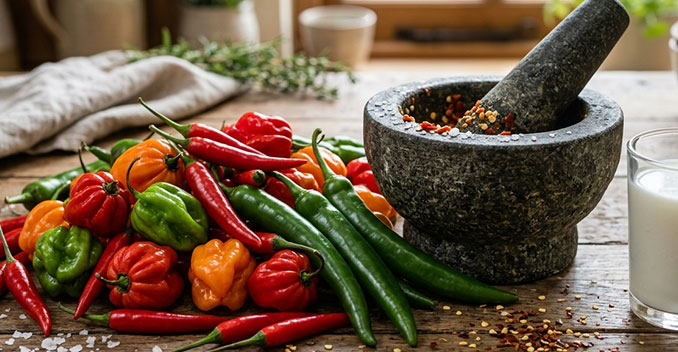
To better understand the fire cracker that is the humble chilli one needs to look at its origins and how it came to be an essential part of the global diet. Human migration, colonialism, and peasant resourcefulness have all played a part. Originating thousands of years ago in the rugged terrains of Central and South America, chillies were initially cultivated by indigenous tribes as both a food source and a powerful medicine. Following the Columbian Exchange, these fiery pods travelled across the globe with staggering speed, integrating into local agriculture precisely because they were highly resilient, easy to cultivate, and could elevate cheap, starchy staple crops into magnificent, sensory feasts. This article will guide you through the intricate relationship between culinary origins and nutritional science, demonstrating that this home-grown wonder is the ultimate antidote to the unhealthy, ultra-processed food systems of today’s supermarket shelves.
Capsaicin, The Initial Burn and Metabolic KickStart
The psychological allure of the chilli pepper is rooted in a fascinating powerful paradoxes. When you handle a fresh chilli, it feels firm, crisp, and relatively cool in the hand, like many other fruits it reflects ambient temperature. Yet, when sliced open, it releases a warm aroma that instantly alerts your respiratory system that this is not your average cucumber or tomato. The magic component driving this reaction is capsaicin, a powerful hydrophobic chemical compound concentrated primarily within the white placental tissue and seeds of the pepper pod. When consumed, capsaicin does not activate our tastebuds. Rather, it binds directly to the TRPV1 thermal receptors on our tongue, tricking the brain into believing that the mouth is literally on fire. But, chillies can and do enhance flavour in the right quantity.
This systemic biological deception triggers a cascade of extraordinary health benefits. The brain responds to the perceived heat by initiating an immediate cardiovascular cooling mechanism: blood vessels dilate, your heart rate accelerates, metabolism increases, and the body begins to burn calories at slightly faster rate. Furthermore, the nervous system floods the bloodstream with a heavy dose of endorphins and dopamine to combat the pain, inducing a genuine, euphoric state known around my culinary table as the “chilli rush.” This rush sensation can be similar to the “pump” bodybuilders experience during intense physical workouts. Beyond the mental clarity, capsaicin functions as a robust anti-inflammatory agent, systematically blocking the neural pathways responsible for transmitting headaches and chronic muscular pain.
The Nightshade and the Scoville
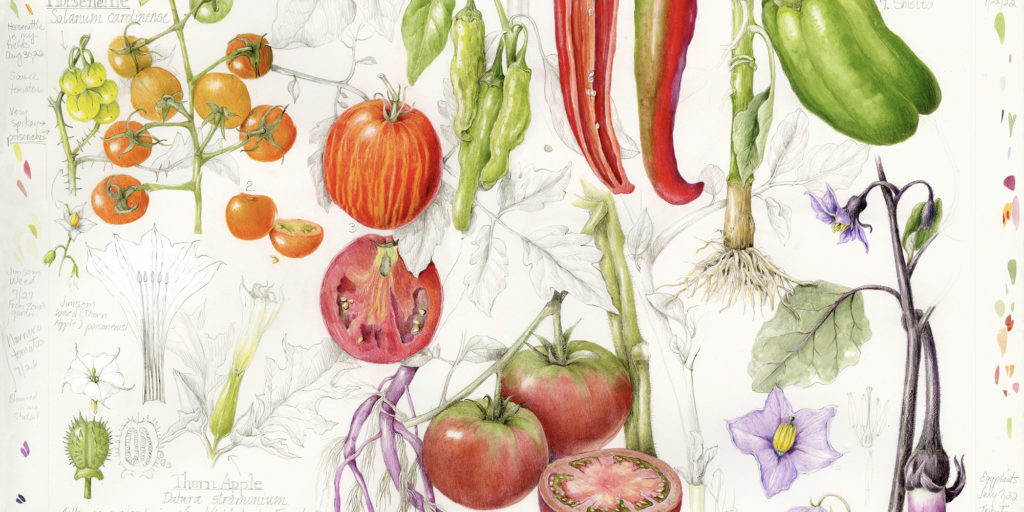
From a botanical perspective, chillies belong to the diverse Solanaceae (nightshade) family, sharing an ancestral lineage with potatoes, tomatoes, and aubergines. Cultivated in warm, sun-drenched conditions with well-drained soil, chilli plants typically require between 70 to 120 days from initial germination to produce harvestable pods. The universal method utilized to measure the concentration of capsaicin within these fruits is the Scoville Scale, a landmark sensory measurement system developed in 1912 by American pharmacologist Wilbur Scoville (1865–1942).
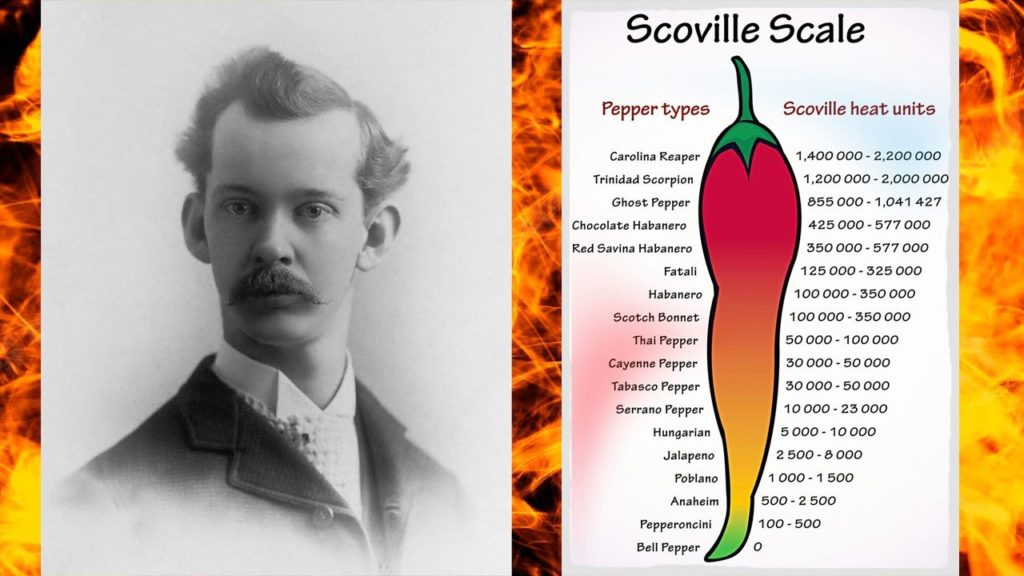
Originally based on the Scoville Organoleptic Test, which measured the precise dilution ratio required to neutralise the pepper’s burn on human subjects, the system has been updated to use High-Performance Liquid Chromatography (HPLC). This technology directly quantifies the capsaicinoid content, mapping peppers from a benign 0 Scoville Heat Units (SHU) for bell peppers up to millions of units for weaponised varieties. In the kitchen, understanding this hierarchy is essential for achieving nutritional balance without overwhelming the palate.
Chillies and their SHUs
The Scotch Bonnet (100,000 – 350,000 SHU) 🌶️🌶️🌶️🌶️ 🥵 🔥
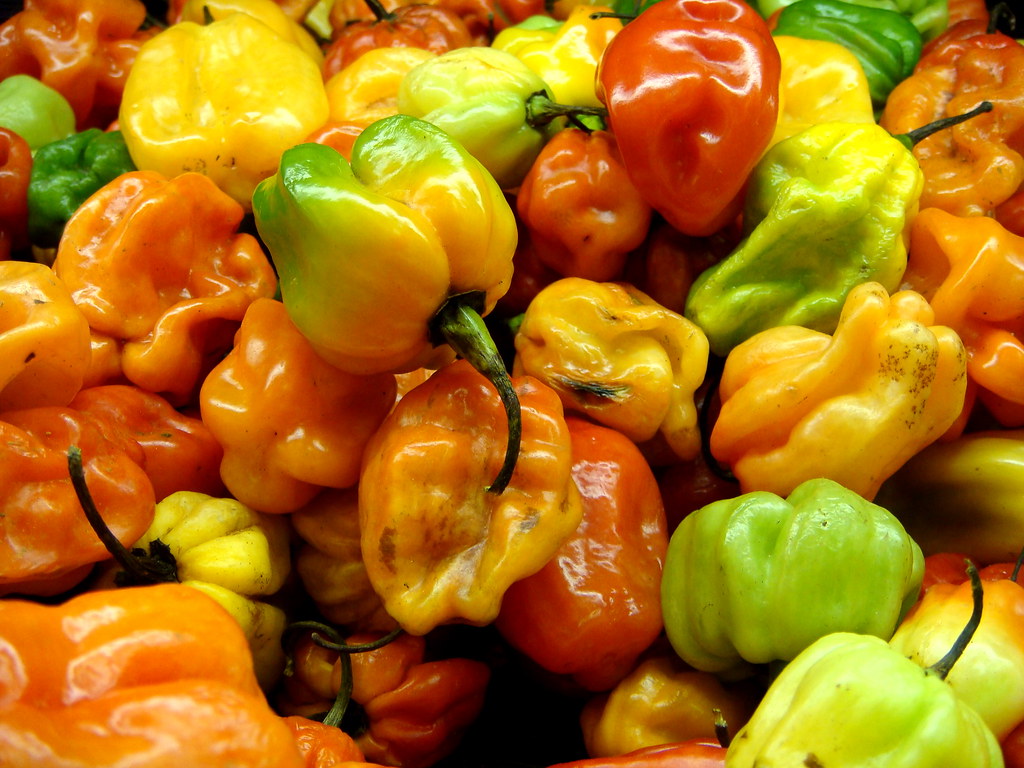
Resembling a traditional Scottish ‘Tam o’ shanter hat’, from where it gets its name the Scotch Bonnet is a glossy, dimpled pepper that feels light and waxy in the hand. Originating in West Africa and travelling to the Caribbean, it became the foundational cornerstone of Jamaican Maroon survival food, defining the cultural identity of jerk seasoning. It tastes intensely tropical, offering a distinct flavour profile reminiscent of ripe apricot or mango, followed by a searing, lingering mouthfeel. This pepper is packed with Vitamin C and pairs beautifully with rich, slow-cooked pork, and all meats specially red meat along with coconut milk, and traditional rice and peas or any other carb. Like many other chillies it can also elevate a vegetable stir fry.
The Bird’s Eye Chilli (50,000 – 100,000 SHU) 🌶️🌶️🌶️ 😥
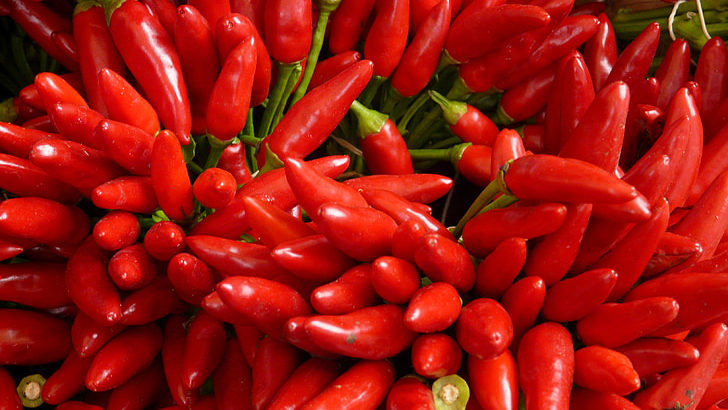
Small, slender, and intensely vibrant, the Bird’s Eye chilli is cultivated extensively across Southeast Asia, particularly in Thailand and Vietnam. Growing wild in tropical conditions, these pods have a firm, snappy texture and a clean, sharp taste that delivers an immediate, piercing sting to the front of the mouth. Historically integrated into local rustic peasant diets to preserve fish and mask the monotony of plain rice, it provides exceptional cardiovascular benefits by optimising blood circulation, like all chiliies. It pairs perfectly with fresh lime juice, lemongrass, ginger, and home-made stir-fries.
The Finger Chilli (10,000 – 30,000 SHU) 🌶️🌶️ 😅
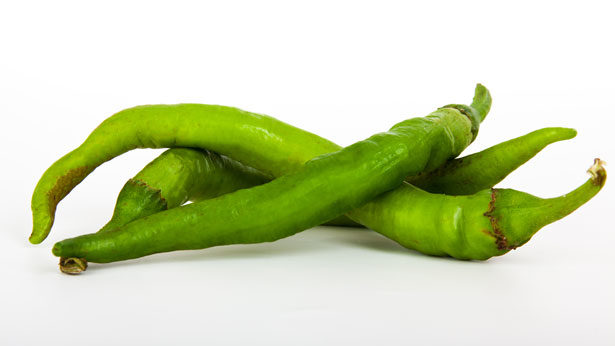
Long, elegant, and gently curved, the finger chilli is the workhorse of the Indian subcontinent. Smooth to the touch and crisp to bite (although only do this if you have built up resistance), it offers a refreshing, green taste similar to peppery rocket but much stronger, accompanied by a manageable, warming mouthfeel. Cultivated continuously across varied agricultural terrains, it forms the base of home-made curries and street food pakoras, providing a dense source of immune-boosting Vitamin A. It pairs magnificently with whole cumin seeds, turmeric, and fresh coriander. Its a great supporting act to most savoury dishes.
The Carolina Reaper (1,500,000 – 2,200,000 SHU) 🌶️🌶️🌶️🌶️🌶️🌶️ 🪦 ☠️ ☢️
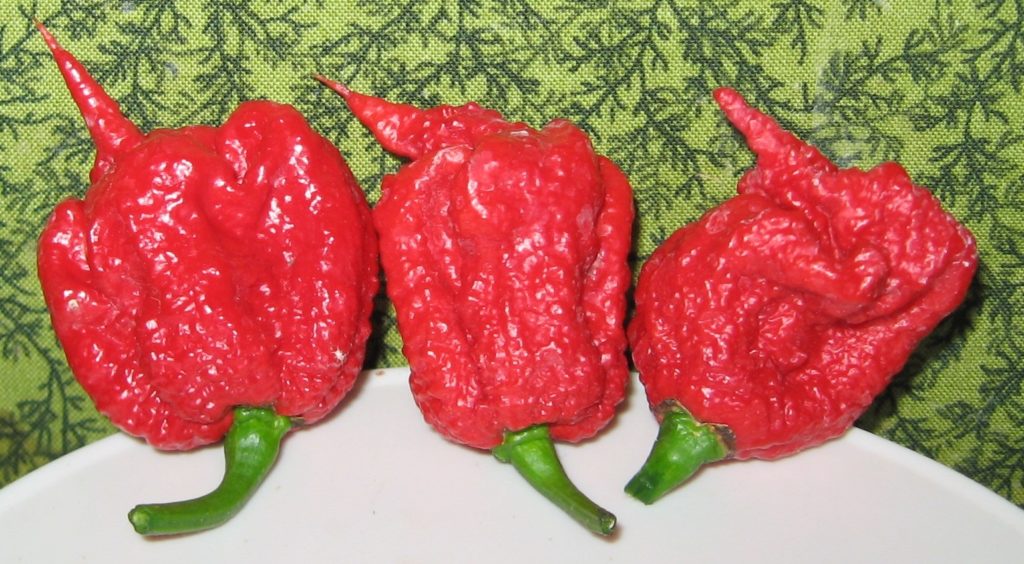
Bred in South Carolina by horticulturalist Ed Currie, the Carolina Reaper is a gnarled, deep red pod featuring a distinctive, menacing scorpion-like tail. Handling this fruit requires extreme caution and protective gloves; the oils can cause intense skin irritation. It possess a surprisingly sweet, initial taste of roasted cherry before unleashing a catastrophic, deeply punishing chemical heatwave that engulfs the entire throat. Sold commercially for premium hot sauces, it offers extreme concentrations of antioxidants, though it must be approached with profound respect. Only use in small quantities, never eat one whole, cook it with food and leat the process of cooking remove some of the burn. Even then be careful, the reaper is a beast and well deserves its name.
The Naga Chilli (800,000 – 1,000,000 SHU) 🌶️🌶️🌶️🌶️🌶️ 😵
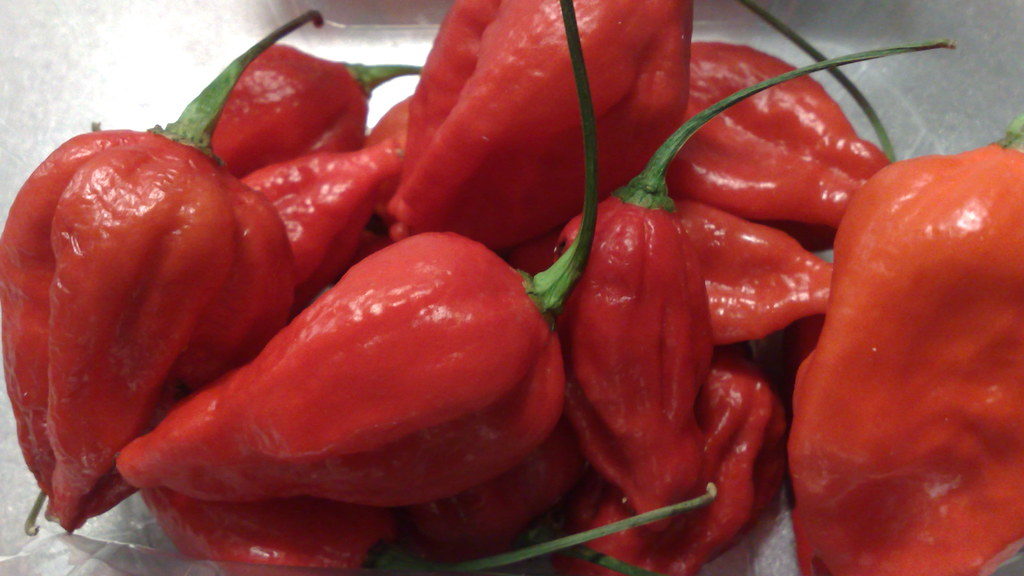
Hailing from the northeastern hills of India and Bangladesh, the Naga chilli (including the famous Bhut Jolokia) is historically intertwined with the tribal cultures of Nagaland, where it was utilized both as a defensive crop and a winter warming medicine. The pod is heavily wrinkled, elongated, and releases an intensely smoky, earth-like aroma when cut. Its taste is distinctly musky and slow-burning, building to a terrifyingly intense cresendo over several minutes. Rich in systemic capsaicinoids that aid digestion, it pairs uniquely well with hearty, home-made stews, smoked wild meats, and fermented bamboo shoots.
The Art of Moderation and the Dairy Antidote
As a self certified foodie, my core philosophy is centred on culinary balance and structural harmony. To unlock the immense holistic and metabolic benefits of the chilli pepper, you do not need to subject your digestive system to unnecessary torment. Common sense dictates that using a half or even a quarter of a fresh chilli in a home-cooked meal is entirely sufficient to activate your TRPV1 receptors and stimulate the production of endorphins. Slicing a pepper thinly, removing the inner white ribs to mitigate the raw burn, and allowing the remaining elements to infuse slowly into fresh whole foods and ingredients is the best approach to home cooking.
However, if you happen to miscalculate the potency of a pepper or accidentally over-season a dish, do not panic, and under no circumstances should you reach for a glass of water. Because capsaicin is a completely hydrophobic, oil-based compound, water will merely spread the active molecules around your oral cavity, intensifying the perceived burn. Instead, you must leverage the laws of biochemistry and reach directly for whole milk or yoghurt. Dairy products contain high concentrations of casein, a lipophilic protein that functions as a natural antidote to heat. Casein effectively acts like a molecular detergent, binding directly to the capsaicin molecules, uncoupling them from your pain receptors, and washing them away to bring instant, soothing relief. If you’re really in trouble for a longer than expected period seek medical help.
Elevating the Home Kitchen Through Functional Fire
The historical journey of the chilli pepper from a localised South American survival food to a global culinary powerhouse highlights its incredible value to human health and gastronomy. Incorporating fresh, sustainably sourced chillies into your daily cooking routine is a simple, highly effective strategy to eliminate ultra-processed additives from your diet while maximising nutritional intake. The deliberate use of capsaicin provides an array of proven medical benefits, from accelerating calorie burning and reducing chronic internal inflammation to elevating overall mood through natural endorphin production. By understanding the regional origins, Scoville mechanics, and specific structural pairings of each unique pepper variety, the modern home cook can transform a humble, home-made meal into a vibrant celebration of culture, history, and holistic wellness. Some notable mentions go out to Habanero, Cayenne, Malagueta and Harissa chillies.
Have Your Say
Is the Bell Pepper the bell of your ball? Or, are you a seasoned heat seeker who chases the euphoric high of the Scotch Bonnet and the Naga, or do you prefer the gentle, warming metabolic boost of a finely sliced finger chilli? Have you ever had to rescue your palate from an unexpected culinary burn using the magic of whole milk we’d love to hear your story? Join the conversation or follow us on facebook, instagram, youtube, TikTok, LinkedIn and X/Twitter or why not submit your own article! Or email at contribute@criticalmatters.net to share your favourite home-made spicy recipes.
Facts and Links
Facts Section
- Discovery of Capsaicin: First isolated in crystalline form in 1876 by British chemist John Clough Thresh (1850–1932), who demonstrated its unique properties as a distinct chemical compound.
- The Scoville Scale: Developed in 1912 by American pharmacist Wilbur Scoville to quantify the heat levels of various capsaicinoid concentrations within fruits of the genus Capsicum.
- TRPV1 Receptor Mechanics: The specific transient receptor potential vanilloid 1 (TRPV1) was cloned and identified in 1997 by American physiologist David Julius, an achievement that earned him the Nobel Prize in Physiology or Medicine in 2021.
- The Columbian Exchange: Historic trade routes established following Christopher Columbus’s landing in 1492 facilitated the rapid dispersal of Capsicum seeds from the Americas to Europe, Africa, and Asia.
- The Casein Reaction: Biochemical studies verify that the lipophilic nature of the milk protein casein breaks the structural bonds between hydrophobic capsaicinoids and human sensory pain receptors.
- Carolina Reaper Record: Officially designated as the world’s hottest chilli pepper by Guinness World Records in November 2013, averaging 1,569,300 Scoville Heat Units (SHU).



Be the first to comment