

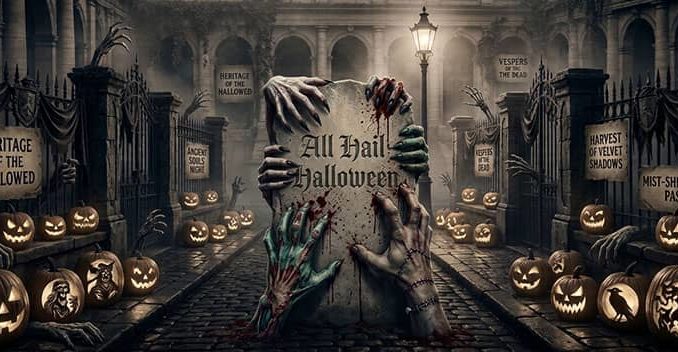
Few seasonal celebrations hold a mirror up to human psychology quite like Halloween. It is a period of aesthetic transformation, where suburban driveways become theatrical staging grounds and the morbid is sanitised into festive play. Geopolitically and culturally, what we experience today is a fascinating exercise in post-modern convergence. The celebration traces its primary artistic and mythological lineage back to the Gaelic festival of Samhain—a liminal marker in the Celtic calendar where the boundary between the mortal realm and the Aos Sí (the spirit world) dissolved. The early Christian church subsequently superimposed All Hallows’ Eve/All Saints’ Day upon this pagan framework, setting off a century-long process of cultural synthesis.
Yet, the contemporary phenomenon of Halloween—a juggernaut that generates over £700 million annually in the UK alone and upwards of $10 billion across the Atlantic—is largely a transatlantic import. The mid-nineteenth-century Irish diaspora transported these nocturnal rites to North America, where abundant native gourds replaced hard root vegetables and consumer capitalism elevated simple folk rituals into a seasonal industry. Globally, this fixation on mortality finds rich artistic parallels: from the vivid folk-art altars (ofrendas) of Mexico’s Día de los Muertos to the ghost-lantern ceremonies of Japan’s Obon festival and West African ancestral masquerades.
At its core, Halloween offers an essential psychological release valve. It allows us to engage with fear, mortality and the grotesque through the safe architecture of artistic representation, cinema and community performance. Whether you crave the cerebral dread of gothic literature, high-camp cinematic nostalgia or the physical immersion of a nocturnal street tour, this seasonal guide explores the absolute finest curated experiences to elevate your spook season.
1. Watch a Scary Movie: The Architecture of Cinematic Dread
The slasher and gothic horror genres are masterclasses in atmospheric tension and spatial design. Classic horror cinema transformed low-budget independent filmmaking into a lucrative cultural force, using practical special effects, striking set lighting and iconic musical scores to construct visceral fear.
- Halloween (1978): Directed by John Carpenter on a modest budget of $300,000, this masterpiece grossed over $70 million globally. Carpenter’s minimalist 5/4 time signature synthesizer score, combined with Dean Cundey’s wide-angle Panavision tracking shots, established Michael Myers as an unfeeling, kinetic force of nature.
- Friday the 13th (1980): Directed by Sean S. Cunningham, this film grossed $59.8 million on a $550,000 budget. It relied heavily on Tom Savini’s groundbreaking, gory practical makeup effects to establish the summer-camp slasher template.
- A Nightmare on Elm Street (1984): Created by Wes Craven (1939–2015), the film introduced Freddy Krueger (Robert Englund) and grossed $57 million. Craven ingeniously blurred the line between subconscious dreamscapes and physical reality, launching a massive multi-media franchise.
- Child’s Play (1988): Directed by Tom Holland, this technological horror story grossed $44 million, turning a innocent “Good Guy” animatronic doll voiced by Brad Dourif into a chilling embodiment of consumerist paranoia.
- Dracula (1931) & Frankenstein (1931): Universal Pictures’ bedrock gothic releases. Tod Browning’s Dracula, starring Bela Lugosi (1882–1956), and James Whale’s Frankenstein, starring Boris Karloff (1887–1969), codified visual tropes—shadowy Expressionist lighting and gothic architecture—that define horror art direction to this day.
- IT (2017): Directed by Andy Muschietti, this modern adaptation of Stephen King’s 1986 epic novel grossed over $704 million worldwide, becoming the highest-grossing horror film in box-office history through its striking creature design and nostalgic 1980s atmosphere.
2. Watch a Family Movie: Camp, Kitsch and Whimsy for All-Ages
Horror need not be visceral to be artistically compelling; dark fantasy and family-oriented macabre cinema offer some of the most inventive visual design in animation and live-action film.
- Beetlejuice (1988): Directed by Tim Burton, this surrealist comedy grossed $74.7 million. Featuring Michael Keaton as the unhinged “bio-exorcist” alongside Winona Ryder, its Expressionist sets and stop-motion creature effects remain a peak milestone of 1980s dark-pop art.
- The Addams Family Values (1993): Directed by Barry Sonnenfeld, this razor-sharp sequel starring Anjelica Huston, Raul Julia (1940–1994) and Christina Ricci delivers brilliant satirical commentary on American suburban conformity, backed by immaculate gothic costume design.
- Casper (1995): Directed by Brad Silberling and produced by Steven Spielberg’s Amblin Entertainment, this $287 million box-office success was a landmark achievement, featuring the first fully CGI lead character in feature film history.
- The Witches (1990): Based on Roald Dahl’s 1983 dark fantasy novel and directed by Nicolas Roeg (1928–2018), this film features Anjelica Huston as the Grand High Witch. The production is famous for the Jim Henson Creature Shop’s terrifying prosthetic transformations.
- Coco (2017): Pixar’s breathtaking animated masterpiece, directed by Lee Unkrich, earned $814 million globally and won two Academy Awards. Celebrating Mexico’s Día de los Muertos, its vibrant color palette and respectful narrative handling of memory and mortality represent a high point in modern computer animation.
- Soul (2020): Directed by Pete Docter, this existential Pixar feature skipped traditional theatrical windows during pandemic disruptions to win the Academy Award for Best Animated Feature, utilising minimalist, avant-garde design to explore the afterlife.
3. Read a Classic Novel: The Bedrock of Gothic Literature
Long before cinema, authors utilised prose to explore existential dread, scientific ethics and the uncanny. Reading gothic literature offers a tactile connection to the historical fears of the 18th and 19th centuries.
- Frankenstein; or, The Modern Prometheus (1818): Authored by 18-year-old Mary Shelley (1797–1851) during the volcanic “Year Without a Summer” at Lake Geneva, this seminal text birthed modern science fiction. Shelley crafted a warning against unchecked scientific hubris and societal rejection.
- Dracula (1897): Written by Irish author Bram Stoker (1847–1912), this epistolary novel captured Victorian anxieties surrounding invasion, disease and repressed sexuality. Stoker’s Count became the archetype for all modern vampire fiction.
- The Hound of the Baskervilles (1902): Sir Arthur Conan Doyle’s (1859–1930) celebrated Sherlock Holmes novel masterfully contrasts rational scientific deduction with ancient Devonshire folk curses, set against a brooding, fog-choked moorland.
- Stephen King Novels: The undisputed modern master of literary horror. Key foundational works include Carrie (1974), ‘Salem’s Lot (1975), The Shining (1977), and IT (1986)—texts that systematically deconstruct the idyllic facade of small-town American life.
4. Go Trick-or-Treating with the Family
The modern practice of trick-or-treating is a direct descendant of the medieval British and Irish custom of “souling” and “guising.” Children and the poor would go door-to-door reciting verses or performing songs in exchange for “soul cakes” to pray for the dead.
Transplanted to 20th-century American suburbia and subsequently re-exported to the UK, it has evolved into a globalised social ritual. It provides a rare moment where suburban streetscapes transform into open, pedestrian-friendly performance spaces, fostering community interaction through shared costume play and hospitality.
5. Get Dressed Up for a Fancy Dress or Themed Party
Costuming (cosplay) allows individuals to temporarily step outside social norms and adopt alternative personas through wearable art. The history of theatrical masking stretches back to the Venetian Carnevale and ancient ritual theatre.
Whether executing a intricate DIY prosthetic concept or assembling a classic pop-culture homage, dressing up for a Halloween gathering is an exercise in creative self-expression. It merges fashion, theatrical makeup and pop-art aesthetics into a single celebratory evening.
6. Carve a Pumpkin
The iconic Jack-o’-lantern has a fascinating botanical and folk-art origin story. The original Irish tradition involved carving terrifying faces into hard root vegetables—specifically turnips, mangelwurzels and potatoes—to ward off Stingy Jack, a mythical rogue condemned to wander the earth with a glowing coal inside a hollowed turnip.
When 19th-century Irish immigrants arrived in North America, they discovered the native pumpkin (Cucurbita pepo)—larger, softer and far easier to sculpt into intricate illuminated lanterns. Today, pumpkin carving has elevated from a simple folk craft to an competitive art form featuring sculpture techniques and relief carving.
7. Go on a Spooky Historical Walking Tour in London
For lovers of architectural history and urban folklore, nothing beats an evening walking tour through historic city quarters. London’s East End remains a premier location for nocturnal historical exploration.
The Jack the Ripper Walk through Whitechapel and Aldgate East leads participants through historic alleyways, examining the tragic events of the autumn of 1888. Lasting approximately 90 to 120 minutes, these tours examine original crime-scene photography, Victorian social conditions and police archival evidence. It offers a sobering, atmospheric look into the dark underbelly of 19th-century industrial London.
8. Visit a Themed Escape Room or Theme Park Spookfest
For those seeking physical adrenaline, interactive spatial entertainment offers immersive thrill mechanics. Theme parks like Alton Towers (Scarefest) and Thorpe Park (Fright Nights) transform their grounds with elaborate maze sets, scare actors and theatrical lighting design.
Alternatively, horror-themed escape rooms require participants to solve complex logic puzzles under environmental stress. These experiences merge game design, set decoration and real-time problem solving, turning terror into an engaging team sport.
9. Make Some Fiendish Halloween-Themed Food
Culinary arts take a distinctly theatrical turn during spook season. From a gastronomic perspective, Halloween offers an opportunity to experiment with visual illusion, deep natural food colourings and seasonal produce.
Using autumnal staples such as roasted butternut squash, spiced pumpkin purees, activated charcoal for dramatic dark plating, and beetroot reduction for vibrant red glazes allows home cooks to construct dinner menus that are visually eerie yet nutritionally rich and delicious.
10. Play Fun Board Games and Parlour Pranks (Skip the Ouija Board)
Indoor gatherings benefit immensely from table-top horror gaming. Modern board game design offers incredible thematic depth, from cooperative deduction games like Betrayal at House on the Hill and Eldritch Horror to quick-fire social deduction games like Ultimate Werewolf.
While parlour games and light-hearted pranks provide endless entertainment, steering clear of Ouija boards is sensible advice—if only to avoid unnecessary household arguments over who is covertly pushing the planchette via the ideomotor effect!
Top 10 Spooky Activities at a Glance
- 1. Watch a Slasher or Classic Horror Film (Halloween, A Nightmare on Elm Street, IT)
- 2. Enjoy an All-Ages Dark Fantasy Movie (Beetlejuice, Coco, Addams Family Values)
- 3. Read a Gothic Literary Masterpiece (Frankenstein, Dracula, The Hound of the Baskervilles)
- 4. Take the Family Trick-or-Treating (Experience neighborhood performance art)
- 5. Attend a Fancy Dress Party (Showcase wearable art and creative makeup)
- 6. Carve a Decorative Jack-o’-Lantern (Honor ancient turnip-carving traditions)
- 7. Take a Historic London Ghost / True Crime Walk (Explore Whitechapel’s atmospheric history)
- 8. Challenge an Immersive Horror Escape Room (Test team logic under pressure)
- 9. Cook a Themed Autumnal Feast (Utilise seasonal pumpkins, spices, and dark glazes)
- 10. Host a Horror Tabletop Game Night (Play cooperative horror board games with friends)
The Verdict: Celebrating the Art of the Macabre
Halloween is far more than a commercial date on the calendar; it is a rich cultural canvas that weaves together ancient folklore, literary tradition, cinematic innovation and community performance. By engaging with these spooky activities—whether through quiet reading, film appreciation, creative cooking or immersive street tours—we participate in a centuries-old human tradition of transforming our anxieties into art, laughter and shared connection.
Have Your Say!
What is your absolute non-negotiable Halloween tradition? Are you a horror film purist who insists on classic slashers, or do you prefer heading out into the cold for a historic atmospheric walking tour?
Join the conversation or follow us on facebook, instagram, youtube, TikTok, LinkedIn and X/Twitter or why not submit your own article! Or email at contribute@criticalmatters.net
Facts
- Halloween traces its historical origins to the Celtic festival of Samhain, marking the end of the harvest season and the boundary between the living and the spirit world.
- Total annual Halloween spending in the UK reached an estimated £700 million, while US spending exceeds $10 billion.
- The original Jack-o’-lanterns were carved from turnips and potatoes in Ireland before the tradition transitioned to native pumpkins in North America.
- The Jack the Ripper walking tours in London’s East End explore historic 1888 crime scenes over a 90-to-120-minute route.
Links
- Explore London historical walking tour information via Jack the Ripper Tours.
- Examine global cinema box-office statistics and film details on IMDb.


Be the first to comment