

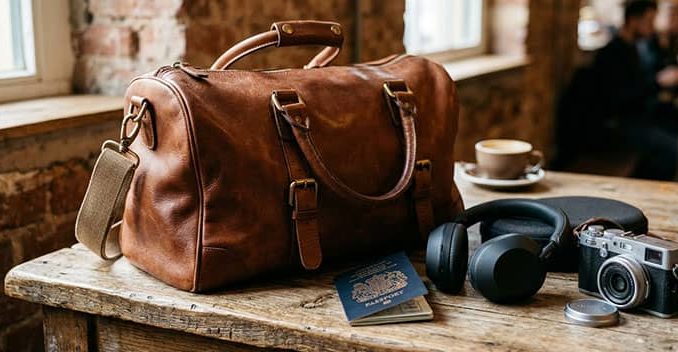
Travelling in the present day has evolved at brake neck speed over the past few decades and its getting ever smarter or is it? Cast your mind back to travel prep and packing for a week in the sun. Laying out well thumbed paperback books, physical street maps, rough guides, walkmans, pocket torches, gaming, cards, travel chess and the proverbial disposable camera or if you were lucky an analogue DSLR. If you wanted to capture that moment, you had budget with 24 or 36 exposures, crossing your fingers that you wouldn’t ruin the roll at airport security. Provided you knew how to wind on traditional film in the first place.
Fast forward to today, and the modern voyager enjoys a treasure trove of gizmos and space saving gadgets. Technological convergence and digitisation have won and in turn compacted our carry on inventory by a significant margin. All the items above are literally within one device that fits in your pocket – provided we have power, ‘power banks’ which have become one most crucial items we take on holiday with us. A smartphone is to every day life what a tricorder was to ‘star trek’: it can provide, direction, cartography, climate information, air pressure, translates local dialects in virtual real time. To name just a few of its applications. We also have VR headsets powered, underwater jet scooters for reef diving, electric ride-on suitcases, drones for capturing bird’s-eye panoramas and noise-cancelling headphones that instantly allow you to zone out on a plane or duty free.
Yet, as any sensible adventurer knows, technology is a double-edged sword. Throwing endless gadgets into your luggage without a clear strategy can lead to heavier bags, hefty excess luggage fees, dead batteries and constant paranoia about theft. Getting true value for money isn’t about buying every shiny gizmo on the market; it’s about investing in reliable, multi-functional tools that elevate your trip, keep you safe and leave plenty of room for local souvenirs, food, drink, market treats and a glass of chilled wine.
Whether you’re jetting off on a solo wellness retreat, taking the family on a European road trip or planning an anniversary weekend with your partner, having the right gear ensures you spend less time stressing over logistics and more time soaking in the culture. Here is the ultimate breakdown of modern travel kit—what to buy, what to skip and how to keep it all secure while exploring the world.
1. The Smartphone: Your Ultimate Travel Command Centre
If you had to strip your travel gear down to a single device, this is it. Today’s smartphone is a marvel of convergence, replacing your camera, flashlight, currency converter, translator, guide book and boarding pass holder in one sleek glass frame. Leading flagships from Apple (iPhone 15 Pro, starting around £999) and Samsung (Galaxy S24, around £799) offer incredible camera systems, rugged water resistance and satellite connectivity for emergency SOS alerts when off the grid.
Functionally, a smartphone is your safety net. You can track real-time bus routes in Tokyo, translate street signs in Rome using Google Lens or call an emergency ride in the middle of the night. However, relying on one device means battery anxiety which is a very real threat. A phone dead on arrival at a foreign border control is a recipe for chaos. Not to mention a safety concern. Furthermore, brandishing a £1,000 device in crowded street markets makes you an obvious target for opportunistic pickpockets. Always keep your phone secured with a lanyard or zipped into an inner jacket pocket, and back up your critical documents offline before stepping on the plane. And if not needed at all store it in the hotel safe.
2. The Tablet: Lightweight Entertainment and On-the-Go Productivity
While smartphones are great for quick tasks, a tablet strikes the perfect balance between mobile convenience and laptop-level screen real estate. Devices like the Apple iPad Air (from £599) or the Samsung Galaxy Tab S9 (from £649) are absolute godsends for long-haul flights, delayed ferry crossings or quiet evenings in a villa for the odd cheeky movie. They weigh next to nothing, slip into any tote bag and offer brilliant displays for watching films or editing photos.
For families, a tablet is a sanity saver on long car journeys, keeping children entertained with downloaded shows. For working nomads or avid planners, pairing a tablet with a lightweight Bluetooth keyboard creates an instant workstation without the weight of a heavy laptop. The drawback? Screen glare under the bright sun can make outdoor reading frustrating, and high-end models can be pricy. In terms of value for money, a mid-range tablet offers unmatched versatility for leisure and light work.
3. The Physical Book: Classic, Reliable and Unplugged
In an age dominated by glowing screens, the humble paperback book remains an unbeatable travel companion. Whether it’s a gripping thrill-seeker novel or a deeply researched travelogue, a physical book requires zero battery life, won’t smash if dropped on the beach and is entirely impervious to power outages or battery life.
There is an undeniable charm to trading finished paperbacks with fellow travellers at hostel book swaps or small hotel libraries around the globe. Reading on a sun lounger without worrying about battery drain or screen burn is a pure, simple luxury. The main drawback is weight and physical space: packing three thick hardbacks for a two-week trip eats into your luggage allowance quickly. However, for sheer value for money (often under £10) and total digital detoxification, nothing beats a good old book.
4. The LED Torch: Small, Bright and Essential for Safety
It might feel old-fashioned in the age of phone flashlights, but a dedicated, high-lumen compact LED torch is a non-negotiable safety tool for any prudent traveller especially when hiking. Brands like Olight (such as the Baton series, around £60) and Anker produce pocket-sized, USB-rechargeable torches that cast hundreds of lumens of light across dark alleyways, unlit beach paths or sudden hotel power outages.
Using your smartphone flashlight at night drains your primary communication device’s battery and advertises your expensive phone to everyone around you. A small tactical torch fits easily in a palm or pocket, offering a powerful beam that can deter potential threat actors or highlight trip hazards in unfamiliar terrain. It is lightweight, durable and inexpensive—making it one of the highest value-for-money safety items you can pack.
5. Noise-Cancelling Headphones: Sanity in a Pocket
If you value peace, quiet and sleep while moving between destinations, active noise-cancelling (ANC) headphones are worth every single penny. Premium options like the Sony WH-1000XM5 (around £340) or Bose QuietComfort Ultra (around £400) use advanced external microphones to actively cancel out low-frequency noise, effectively silencing the deafening roar of airplane engines, noisy train carriages and chaotic traffic.
For travellers who prefer to pack light, in-ear options like the Apple AirPods Pro 2 (around £229) offer astonishingly good cancellation in a package small enough to fit in a coin pocket. The primary downside is the high initial cost and the requirement to keep them charged. However, arriving at your destination well-rested rather than utterly exhausted makes high-quality ANC headphones an investment that pays for itself on flight one. If you’re on a budget standard over the ear or inner ear wired or wireless headphones will offer a good degree of noise shielding especially if paired with soothing sounds like wind, surf or your favourite podcast.
6. The Ergonomic Travel Pillow: Restful Sleep on the Move
We have all suffered through the dreaded “head-bob” sleep on night flights or long bus rides. Modern travel pillows have come a long way from the cheap, scratchy inflatable rings of the past. Brands like Cabeau (Evolution S3, around £40) and TRTL (around £50) use high-density memory foam and ergonomic neck support systems to hold your head in a natural position, preventing severe neck strain and fatigue.
The main issue with memory foam pillows is bulk; they take up a fair amount of space in carry-on bags, even when compressed into stuff sacks. However, if you are prone to neck pain or struggle to sleep sitting upright, a proper ergonomic pillow is a small price to pay for arriving at your destination ready to explore rather than needing a trip to a local masseuse. One tip could be to walk onto the plane with it on your neck.
7. The DSLR / Mirrorless Camera: Uncompromising Image Quality
While modern smartphones capture impressive casual shots, a dedicated DSLR or mirrorless camera remains king for creative photography. Leading models from Canon (such as the EOS R10, around £900 body-only) and Sony (A6700, around £1,400) offer superior image sensors, physical optical zoom capabilities and exceptional dynamic range in tricky lighting conditions like sunsets or dim market alleys.
The trade-off is undeniable: cameras are heavy, bulky and require extra lenses, memory cards and charging units. They also demand your full attention and draw notice when hung around your neck in busy urban spaces. Always use a cross-body, cut-resistant strap to prevent snatch-and-grab theft. For passion projects, high-end travel blogging or once-in-a-lifetime safari trips, a dedicated camera provides unparalleled image depth and quality. As an honourable mention you cannot fail to include the humble disposable camera, digital camera or polaroid all of which are more affordable and have proven to be fairly rugged.
8. The Compact Drone: Unlocking Aerial Perspectives
Drones have completely revolutionised travel photography, allowing everyday adventurers to capture sweeping, cinematic birdseye views of turquoise bays, mountain passes and ancient ruins. Compact, lightweight models like the DJI Mini 4 Pro (starting around £689) weigh under 249 grams, allowing them to bypass strict registration requirements in many jurisdictions while still offering 4K video recording and obstacle avoidance.
However, drone ownership comes with heavy legal and safety responsibilities. Drone regulations vary wildly by country: taking a drone into places like Egypt, Morocco or India without strict prior permits can result in confiscation or severe fines at customs. Always check local aviation laws, respect privacy and never fly near crowded beaches, airports or wildlife sanctuaries. When used responsibly, drones offer incredible value for creators seeking unique memories. The do now offer features like follow me which will lock into the GPS coordinates of your phone or other beacon, giving some really creative options to your toolkit.
9. The Selfie Stick and Monopod: Easy Group Shots
Often maligned as the ultimate tourist cliché, the humble selfie stick—especially when combined with a integrated tripod base and Bluetooth shutter remote—is surprisingly useful. Modern multi-functional options like those from Joby or Spigen (around £20-£35) extend your reach for group photos without needing to hand your expensive phone to a stranger.
They are lightweight, often extendable or telescopic, pack down small and provide stable framing for video calls back home or night-time exposures. That said, many major attractions, museum galleries and theme parks (such as Disney parks and the Louvre) have banned selfie sticks due to safety risks and crowd obstruction. Use them discreetly in open outdoor spaces, and always stay aware of your surroundings so you don’t accidentally knock into passers-by.
10. The Electric Suitcase: Novelty vs Practicality
The newest trend sweeping modern airports is the ride-on electric suitcase. Brands like Airwheel (models starting around £600-£900) combine a carry-on cabin bag with a motorised wheel system and handlebars, allowing travellers to zip through sprawling airport terminals at speeds up to 8 mph.
While undeniably fun and a guaranteed head-turner, electric suitcases come with major drawbacks. Their internal lithium-ion batteries and motor assemblies significantly reduce actual packing capacity and add heavy dead weight. Crucially, many major airlines have introduced strict bans on motorised ride-on luggage due to fire safety regulations regarding non-removable lithium batteries. Before buying one, double-check your preferred airline’s baggage policies, as you may find your expensive suitcase rejected at the check-in desk.
Honourable Mention 1: The Physical Paper Map
In an era dominated by GPS navigation, the physical paper map remains an essential backup tool. Paper maps do not suffer from signal dead zones, broken screens or dead batteries. Unfolding a detailed regional map on a café table gives you a holistic, spatial understanding of an entire region that a tiny phone screen simply cannot replicate. They are virtually weightless, cost a few pounds and offer total peace of mind when venturing off the beaten path.
Honourable Mention 2: Pen and Paper (note pad)
Never underestimate the power of a good notebook and a reliable pen. Whether you need to quickly write down an address for a taxi driver who doesn’t speak English, fill out customs forms before landing or journal your thoughts over a quiet glass of wine in a local square, paper never fails. A rugged notebook like a Moleskine or Field Notes paired with a sturdy pen requires no power, functions in extreme weather and keeps a permanent, tactile record of your journey.
The Verdict: Smart Gear for Unforgettable Journeys
Navigating the world today is safer, smoother and more connected than ever before. Modern travel tools allow us to bridge language gaps in seconds, capture breath-taking footage from the sky and glide through long flights in pure peaceful silence. But the true spirit of travel hasn’t changed: it is still about connection, curiosity and stepping outside your comfort zone to experience new cultures, meet amazing people and savour extraordinary local food.
The key to assembling your ideal travel kit is balance. Choose multi-functional, reliable items that genuinely solve problems rather than adding bulk to your bag. Prioritise safety and quality over cheap gimmicks, pack light whenever possible and remember that technology should serve your adventure—not distract you from it.
Have Your Say!
Which piece of travel kit can you absolute not live without when heading abroad? Are you a photography purist lugging a heavy camera setup, or do you prefer to keep things ultra-light with just a smartphone and a paper notebook? Have you ever had a tech rescue—or a tech disaster—while exploring a new country?
Join the conversation or follow us on facebook, instagram, youtube, TikTok, LinkedIn and X/Twitter or why not submit your own article! Or email at contribute@criticalmatters.net
Facts and Links
- The concept of the digital converged device—combining communication, navigation and computing—was popularised in science fiction, most notably as the “Tricorder” created by writer Jasper Ellis for Star Trek in 1966.
- Sony introduced the original Walkman (TPS-L2) on 1 July 1979, radically transforming personal travel entertainment by allowing users to play cassette tapes on the move.
- Active noise cancellation technology was pioneered by Dr Amar Bose (1929–2013) in 1978 after an uncomfortable flight to Europe where engine noise ruined his audio experience; Bose commercialised consumer noise-cancelling headphones in 2000.
- The civil aviation weight limit of 249 grams for hobbyist drones was established by global aviation bodies, including the UK Civil Aviation Authority and US Federal Aviation Administration, to differentiate light recreation craft from heavier commercial aircraft requiring strict licensing.
Links
- Learn more about UK Civil Aviation Authority drone regulations and airspace safety guidelines via the official portal at caa.co.uk.
- Check official UK government travel advice and entry requirements for international destinations at gov.uk/foreign-travel-advice.



Be the first to comment