

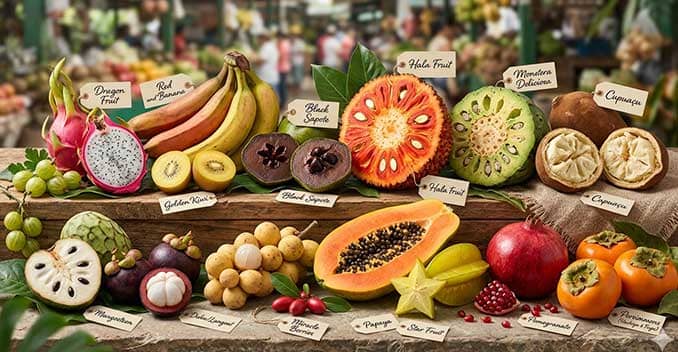
Modern Western food culture is often locked in a monopoly of convenience. If you walk into any high-street supermarket in the United Kingdom, the fresh produce aisle presents a familiar, highly uniform display: cosmetic apples, uniform Cavendish bananas, and rows of imported berries. This extreme standardisation has often dulled our culinary imagination and detached us from the vast, global spectrum of botanical biodiversity. Over-reliance on ultra-processed snacks has displaced the complex, evolutionary joy of eating whole foods in their raw state.
Venturing beyond the standard supermarket layout reveals that the world of fruit is a fascinating, diverse landscape. And it must be added supermarkets now carry even more exotic fruits than before, pineapples, mangos and passion fruit are regulars on the shelves. However, many of the planet’s most unusual fruits began their journeys as vital survival food easily accessible and abundant, cultivated by indigenous tribes and local communities long before being adopted by supermarkets and the world’s food stores. From a nutritional perspective, these whole foods offer exceptional health profiles, packed with complex micronutrients, rare antioxidants, and dietary fibres that support cellular health and metabolic function.
As we explore this global collection of whole foods, we must appreciate that taste is individual. What presents a smooth, creamy delicacy to one person might offer an intense, unfamiliar texture to another. Food should be an inclusive space for exploration, free from rigid rules or aesthetic perfection. While adding these natural powerhouses to your diet is a fantastic way to boost your daily nutrition, remember that serious dietary changes should always be balanced—if you have underlying health conditions or specific allergies, consulting a qualified General Practitioner (GP) remains a wise first step. Let’s grab a spoon and dive into the fascinating stories, cultures, and nutritional chemistry of the world’s most extraordinary fruits.
Dragon Fruit (Pitahaya)
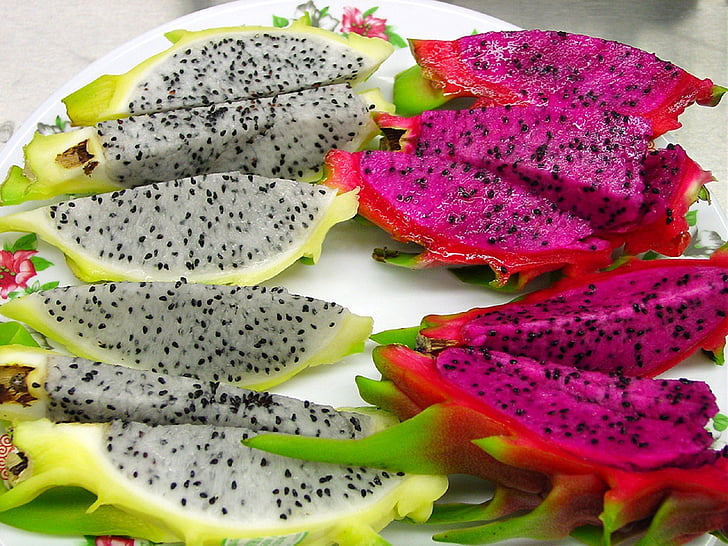
Dragon fruit looks exactly like a mythical creature’s egg, boasting a striking, neon-pink or bright yellow leather skin covered in green, scale-like bracts. In the hand, it feels surprisingly light, cool, and smooth, with a firm yet yielding structure. Cultivated primarily on climbing cacti that take roughly 1 to 2 years to produce fruit from cuttings, it thrives in warm, subtropical environments. The flavour is exceptionally mild and refreshing—often compared to a subtle, less acidic cross between a kiwi fruit and a pear.
Inside, the speckled white or deep crimson pulp offers a watery, crunchy mouthfeel thanks to thousands of tiny, edible black seeds. Originally native to Central America, where it was historically gathered from the wild, it was later introduced to Southeast Asia in the 19th century, transforming into a vibrant staple of regional street food culture. Nutritionally, dragon fruit is a powerhouse of vitamin C and dietary fibre, which aids digestive health. It pairs beautifully in fresh, homemade smoothie bowls with raw coconut flakes or sliced kiwi.
The Great Banana (Spectrum)
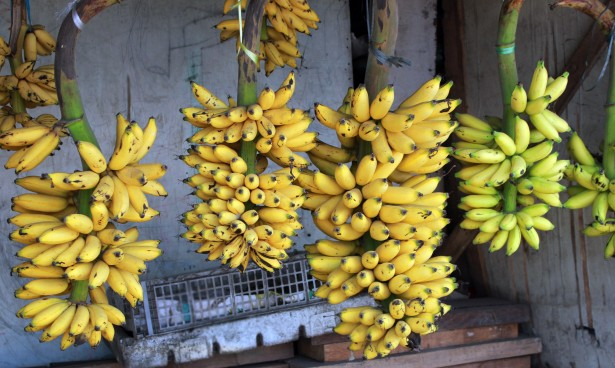
While the modern West is completely dependent on the sweet, moreish Cavendish banana, the broader genus Musa contains an absolute universe of distinct flavours and textures. Ranging from tiny, thin-skinned finger bananas to thick, angular red plantains, these fruits feel smooth, dusty, or rugged depending on their origin. Bananas are cultivated on massive herbaceous plants that take approximately 9 to 12 months to yield a single bunch. The flavour spectrum is incredibly wide: the Red Dacca banana offers a sweet, berry-infused undertone, while the famous Blue Java banana is celebrated for its remarkable, vanilla custard flavour.
The mouthfeel ranges from dense and starchy to a melting, ice-cream-like texture. Originating in the tropical regions of Southeast Asia and the South Pacific, the banana served as a foundational survival food for local communities due to its rapid growth and high energy density. From a nutritional perspective, bananas are legendary for their high potassium content, which plays a critical role in regulating blood pressure and supporting nerve function. They are also rich in vitamin B6, which aids energy metabolism. A perfectly ripe Blue Java pairs exceptionally well with raw cacao nibs or a spoonful of natural almond butter.
Golden Kiwi
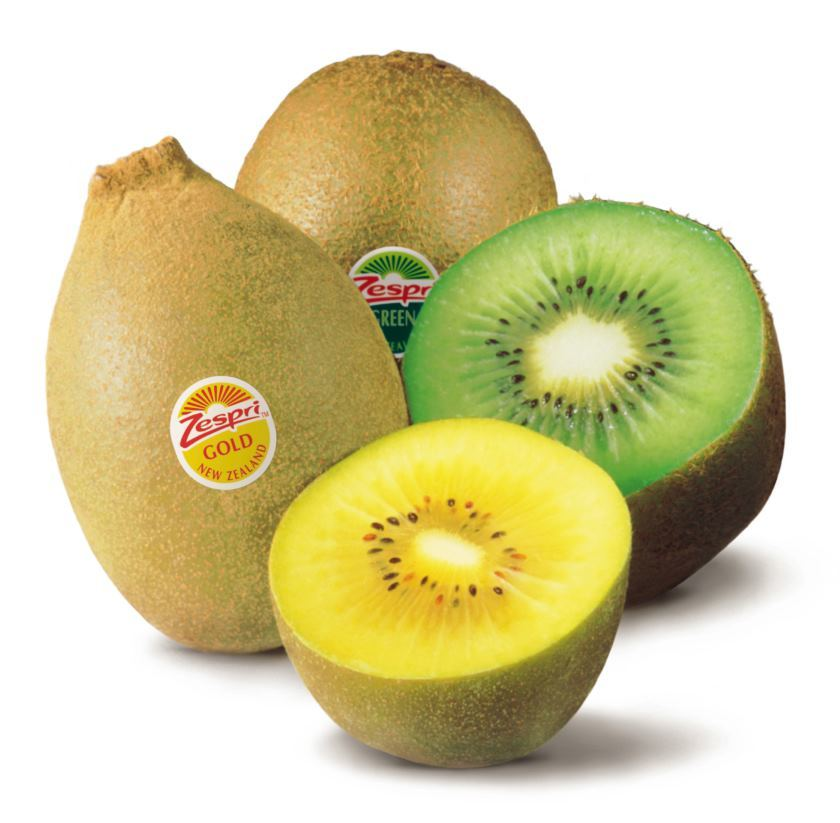
The Golden Kiwi (Actinidia chinensis) is a sleek, modern evolution of the traditional green variety. Visually, it steps away from the bright green core, displaying a smooth, bronze-coloured skin that is completely hairless and pleasant to touch. In the hand, a ripe golden kiwi feels plump and slightly soft under gentle pressure. It is cultivated on vigorous, woody vines that require a winter chilling period and take about 2 to 3 years to bear fruit commercially. The flavour is remarkably sweet and tropical, completely lacking the sharp, mouth-puckering acidity of the green kiwi, tasting instead like a blend of sweet mango and strawberry.
Its mouthfeel is exceptionally smooth, silky, and juicy, with fine seeds that dissolve effortlessly. Developed through selective breeding programs in New Zealand during the late 20th century from wild seeds originally gathered in China, it represents an intentional culinary arc toward premium whole-food nutrition. It is an absolute powerhouse of vitamin C, providing up to three times the amount found in a standard orange per 100g, which strongly supports immune health and collagen synthesis. Golden kiwi pairs beautifully with fresh mint leaves and raw Greek yogurt.
Black Sapote (The Chocolate Pudding Fruit)
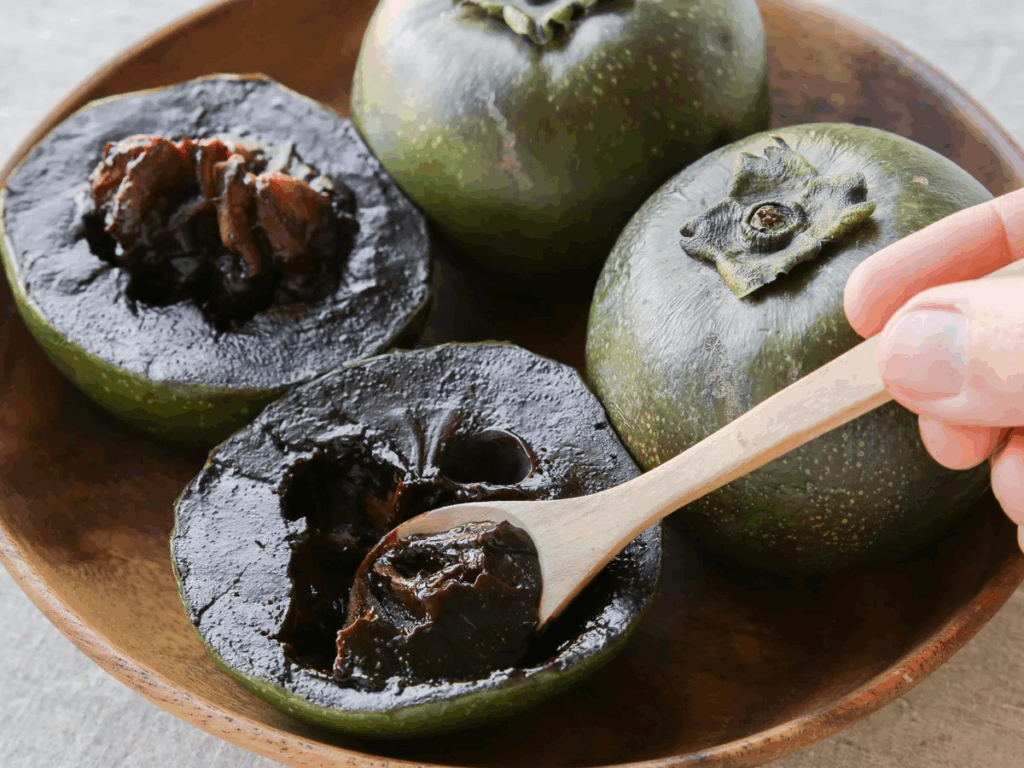
The Black Sapote (Diospyros nigra) performs a brilliant culinary trick. On the outside, it looks like a medium, unassuming green tomato with a prominent, woody cap. As it ripens, the smooth skin changes dramatically, turning a wrinkled, olive-brown shade that feels incredibly soft and delicate to the touch. Cultivated on slow-growing, evergreen trees native to the forested lowlands of Mexico and Central America, a tree grown from seed can take 5 to 6 years to bear fruit. The flavour is famously mild, rich, and naturally sweet, offering a distinct, dark-chocolate undertone.
The mouthfeel is its true superpower: it has a dense, glossy, and completely smooth texture that feels exactly like eating a processed chocolate pudding pot. Historically cultivated by the Aztecs and Mayans as a sweet household treat, it stands as a brilliant example of a historical whole food that mimics modern desserts. Black sapote is incredibly rich in vitamin C, providing roughly 19mg per 100g serving—more than six times the daily requirement—alongside beneficial amounts of potassium and dietary fibre. It pairs perfectly when blended with a splash of fresh almond milk or folded into home-baked, unrefined oat bars.
Hala Fruit
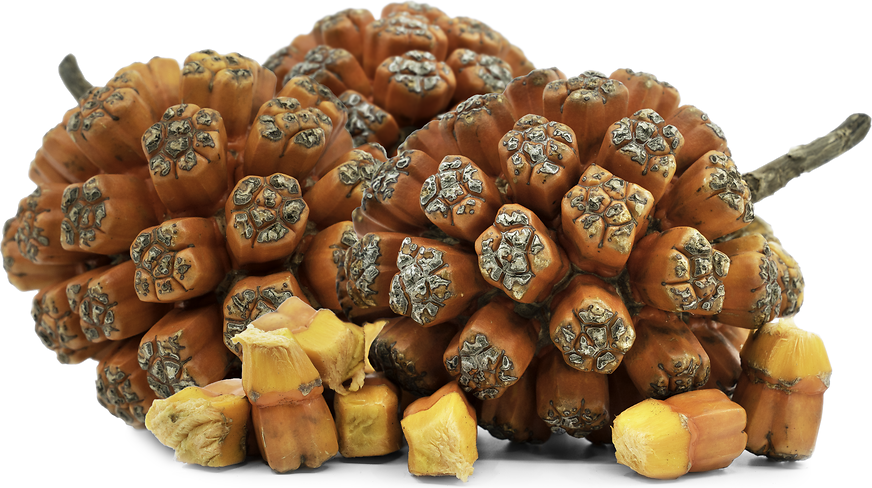
The Hala fruit (Pandanus tectorius) looks like a brilliant, exploding planet or a large, tropical pinecone. It consists of dozens of bright orange, yellow, or red wedges called “phalanges” that radiate outward from a central core. In the hand, it feels incredibly heavy, rugged, and fibrous. Cultivated on coastal dioecious trees that take up to 5 to 7 years to mature, it grows naturally along the shorelines of the Pacific and Indian Oceans. The flavour of the sweet, chewable pulp is unique, often described as a mild, floral blend of sweet sugar cane and tropical jackfruit.
The mouthfeel is intensely fibrous and juicy; you chew on the inner portion of the wedge to extract the sweet nectar, discarding the woody fibre afterward. For indigenous Polynesian and Micronesian tribes, the Hala fruit was a fundamental survival food during long sea voyages and seasons of drought, while its durable leaves were woven into mats and sails. It is rich in beta-carotene—a vital precursor to vitamin A that supports eye health—and contains beneficial anti-inflammatory phytochemicals. Hala fruit juice pairs well with fresh coconut water or lime.
Monstera Deliciosa (The Mexican Breadfruit)
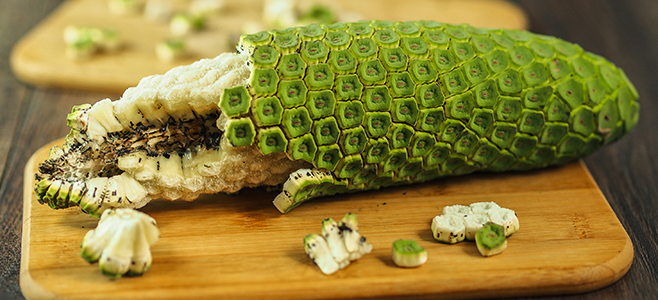
Famous across the West as a popular houseplant, the Monstera deliciosa vine also produces an extraordinary, long, green fruit that looks exactly like a giant, scale-covered ear of maize. Handling it requires patience, as it feels heavy, rigid, and completely unyielding when unripe. Cultivated in tropical rainforest canopies, the vine takes longer than a year to produce a single mature fruit. The flavour is a brilliant, high-definition tropical explosion, tasting like an intense blend of pineapple, banana, and jackfruit.
The mouthfeel is soft, juicy, and flaked, matching the texture of a ripe pineapple but without the fibrous core. However, eating this fruit requires strict caution: the unripe green sections contain sharp, needle-like calcium oxalate crystals that cause severe irritation to the mouth and throat. It must be eaten in stages as the hexagonal scales naturally pop off, revealing the safe, ripe, cream-coloured flesh underneath. Native to the southern forests of Mexico and Guatemala, it was historically prized as an elite jungle delicacy. Rich in vitamin C and active digestive enzymes, it pairs beautifully on its own or tossed with fresh papaya slices.
Cupuaçu
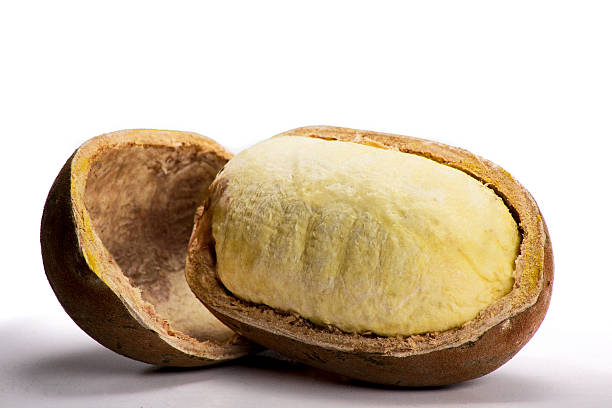
Cupuaçu (Theobroma grandiflorum) looks like a large, oblong, rusty-brown melon covered in a fuzzy, leathery skin. In the hand, it feels solid, dense, and distinctly heavy, releasing a strong, complex fragrance that blends chocolate and pineapple. A close relative of the cacao tree, it is cultivated in the deep understory of the Amazon basin, taking roughly 3 to 5 years to fruit. The flavour is wonderfully tart and complex, tasting like a mix of white chocolate, fresh pear, and passion fruit.
Its mouthfeel is incredibly thick, luxurious, and buttery, owing to the high concentration of natural healthy fats in its pulp and seeds. For indigenous Amazonian tribes like the Tikuna, cupuaçu was historically used as a primary energy source during long hunting treks, while the seeds were pressed into medicinal body butters. Nutritionally, it contains at least nine powerful polyphenolic antioxidants, alongside excellent levels of vitamin B1, B2, and niacin, which support energy production and brain health. Cupuaçu pulp pairs phenomenally well when blended into rich, raw cacao smoothies or frozen into homemade sorbets.
Gooseberry

The humble gooseberry (Ribes uva-crispa) is a classic European treasure. Visually, it resembles a small, semi-translucent mini melon, decorated with delicate, vein-like stripes running down its taut, pale green, pink, or red skin. It feels firm, taught, and slightly fuzzy or smooth in the hand. Cultivated on hardy, thorny deciduous shrubs that produce a heavy crop within 2 to 3 years of planting, it thrives in cooler, temperate climates. The flavour profile exists on a sharp spectrum: unripe green berries are intensely tart and acidic, while fully sun-ripened red varieties develop a deep, honeyed sweetness reminiscent of Muscat grapes.
The mouthfeel offers a distinct pop as the taut skin breaks, releasing a juicy, seed-flecked centre. Historically across Great Britain, gooseberries were the ultimate cottage garden food, celebrated in rural fruit shows throughout the 18th and 19th centuries. They are packed with vitamin C, manganese, and soluble dietary fibres like pectin, which helps maintain a healthy gut microbiome. Gooseberries pair beautifully when gently stewed into a sugar-free compote to complement rich, roasted meats or folded into fresh oat crumbles.
Cherimoya (The Custard Apple)
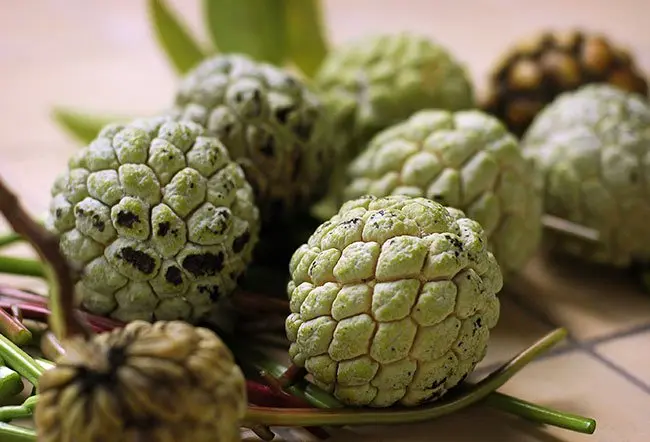
The Cherimoya (Annona cherimola) looks like a prehistoric, green hand-grenade covered in a pattern of overlapping, thumbprint-like scales. In the hand, it feels velvety, solid, and pleasantly weighty. Cultivated on subtropical trees that thrive in high-altitude valleys, it takes about 3 to 5 years to start producing fruit. The legendary author Mark Twain famously described the cherimoya as “the most delicious fruit known to men.” Its flavour is a soft, sweet dream, tasting like a blend of banana, vanilla, papaya, and cream.
The mouthfeel is incredibly smooth, soft, and custardy, melting effortlessly on the tongue, though you must carefully spit out its large, toxic black seeds. Native to the Andean valleys of Peru and Ecuador, it was a highly revered palace delicacy for the Inca civilization. Nutritionally, the cherimoya is an excellent source of vitamin B6, potassium, and magnesium, which work together to support cardiovascular health and reduce stress. It pairs wonderfully when chilled and eaten straight from the skin with a spoon, or blended into raw, plant-based puddings.
Mangosteen (The Queen of Fruits)
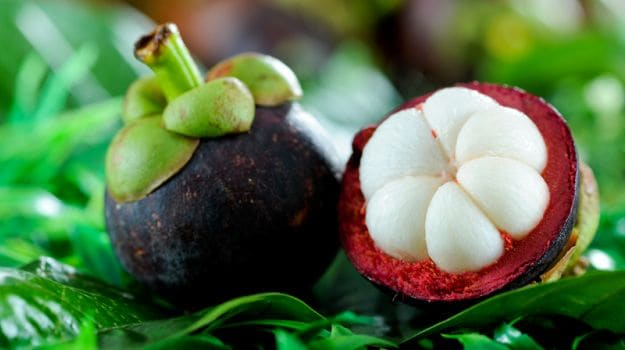
The Mangosteen (Garcinia mangostana) is a visual masterpiece of nature. It features a thick, rigid, deep-purple rind topped with a distinct, woody green calyx. Holding it feels like cradling a smooth, heavy billiard ball. Cultivated on ultra-tropical, slow-growing evergreen trees that require high humidity and take a patient 9 to 12 years to bear their first harvest, it is native to the rainforests of Southeast Asia. Its flavour is arguably one of the finest on earth: a perfect balance of sweet and sharp, tasting like a mix of sweet peach, strawberry, and a touch of citrus.
The mouthfeel of the inner white segments is incredibly delicate, juicy, and melting, sliding away like premium sorbet. According to popular lore, Queen Victoria offered a reward of £100 to anyone who could bring her a perfectly fresh mangosteen from the colonies, cementing its royal title. The thick purple rind is rich in xanthones—a rare class of polyphenolic compounds scientifically proven to offer powerful anti-inflammatory and antioxidant benefits. The delicate inner flesh is best enjoyed entirely raw and unadorned, or paired alongside fresh lychees.
Langsat / Duku
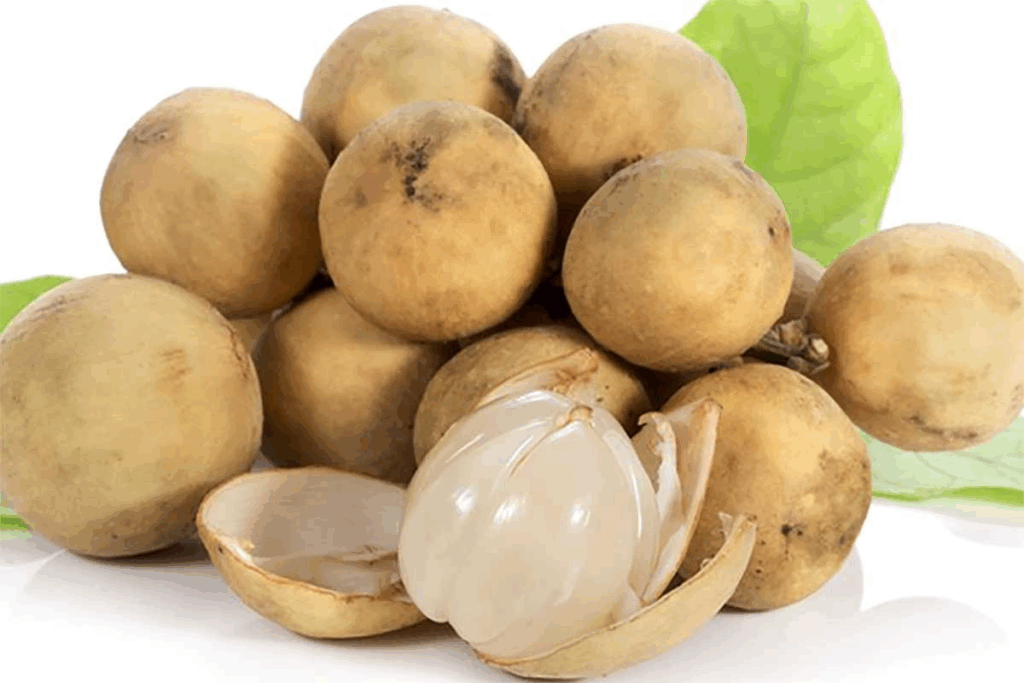
Langsat (Lansium domesticum) looks like a cluster of small, round, pale-yellow potatoes hanging elegantly from a woody branch. In the hand, it feels leathery, slightly dusty, and softly springy. Cultivated on medium-sized trees that thrive across the humid lowlands of Southeast Asia, it takes roughly 10 to 12 years to fruit from seed. The flavour is highly complex and refreshing, tasting like a combination of sweet grape, fresh grapefruit, and pomelo.
The mouthfeel is clean, translucent, and juicy, divided into five distinct segments that lift away easily from the peel, though the tiny green inner seeds carry a bitter taste if bitten into. Historically integrated into traditional Indonesian and Malaysian home medicine, the tree’s bark was used to treat malaria, and the dried peel was burned as a natural mosquito repellent. Langsat is an excellent source of natural vitamins A and B, alongside dietary fibre, which aids efficient digestion. It pairs beautifully with light, fresh tropical fruit salads or served alongside jasmine tea.
Miracle Berry
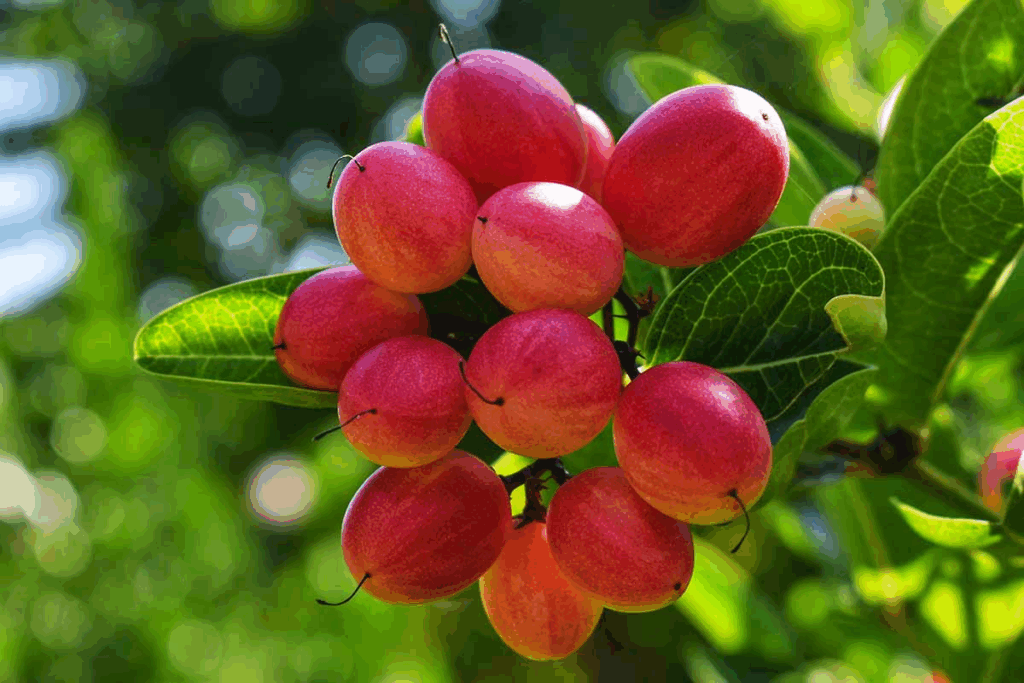
The Miracle Berry (Synsepalum dulcificum) is a small, bright red, oblong berry that looks like a standard coffee cherry or a small elongated grape. It feels firm, smooth, and light in the hand. Cultivated on slow-growing, acid-loving bushes native to the tropical forests of West Africa, it takes 3 to 4 years to produce fruit. The berry itself has a very mild, slightly tangy taste and a simple, thin fleshy mouthfeel.
The true magic lies in its chemical composition: it contains a unique glycoprotein called miraculin. When the pulp coats the tastebuds, miraculin binds to your sweetness receptors, causing sour and acidic foods eaten afterward to taste intensely sweet. Eating a lemon immediately after a miracle berry transforms the sour juice into a sweet lemonade flavour. Historically used by West African tribes to make sour, fermented maize breads delicious, it is a brilliant natural tool for sugar-free flavour exploration. It is low in calories and packed with active antioxidants, pairing perfectly with unsweetened citrus platters or raw rhubarb.
Mango (The Jewel of the Tropics)
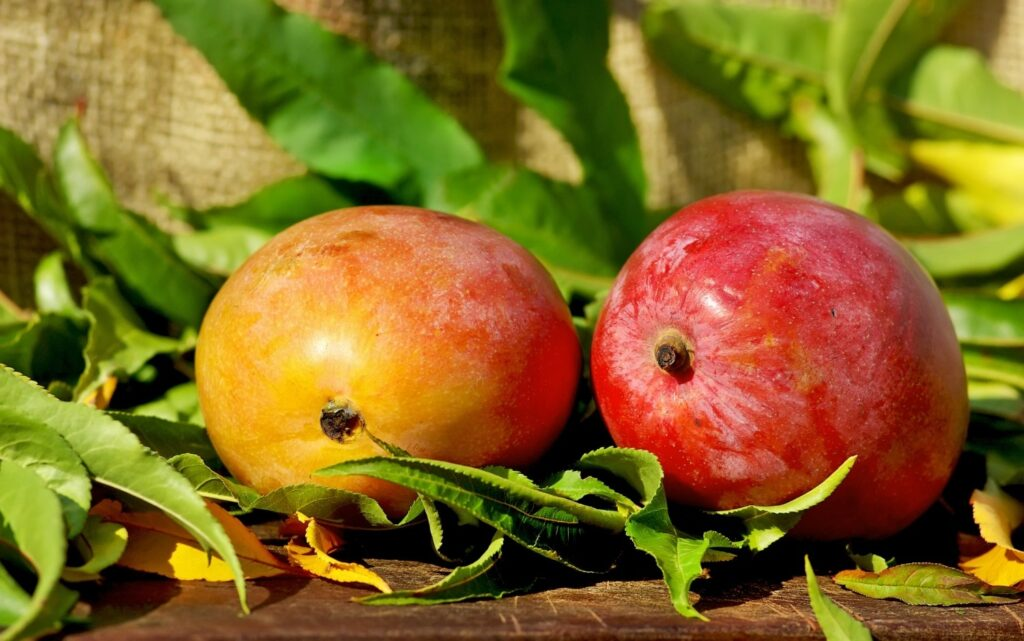
The mango resembles a smooth, drop-shaped gemstone, boasting a glossy skin that blushes in a beautiful gradient of sunset-yellow, rich orange, and deep crimson. In the hand, a ripe mango feels comfortably heavy, plump, and smooth, offering a gentle, yielding softness that hints at the juicy treasure inside. Cultivated on magnificent, deep-rooted evergreen trees that can take 3 to 5 years to bear fruit from a grafted sapling, it thrives in hot, tropical climates with distinct wet and dry seasons. The flavor is a spectacular explosion of bold, sunny sweetness—often described as a luxurious blend of sweet peach, tangy pineapple, and a subtle, floral hint of citrus.
Inside, the vibrant, golden-orange pulp clings to a single, large flat stone, offering an incredibly smooth, silky, and melting mouthfeel that is purely decadent. Originally native to South Asia—specifically India, where it has been cultivated for over 4,000 years and holds a sacred place in ancient folklore as a symbol of prosperity—the mango spread along global trade routes to become a deeply cherished staple of tropical cuisine. Nutritionally, it is an absolute powerhouse of vitamins A and C, which are excellent for supporting glowing skin and healthy vision, alongside active digestive enzymes. It pairs beautifully when diced into a fresh, homemade red onion salsa, blended into a creamy lassi, or simply enjoyed raw on a warm summer afternoon.
Papaya
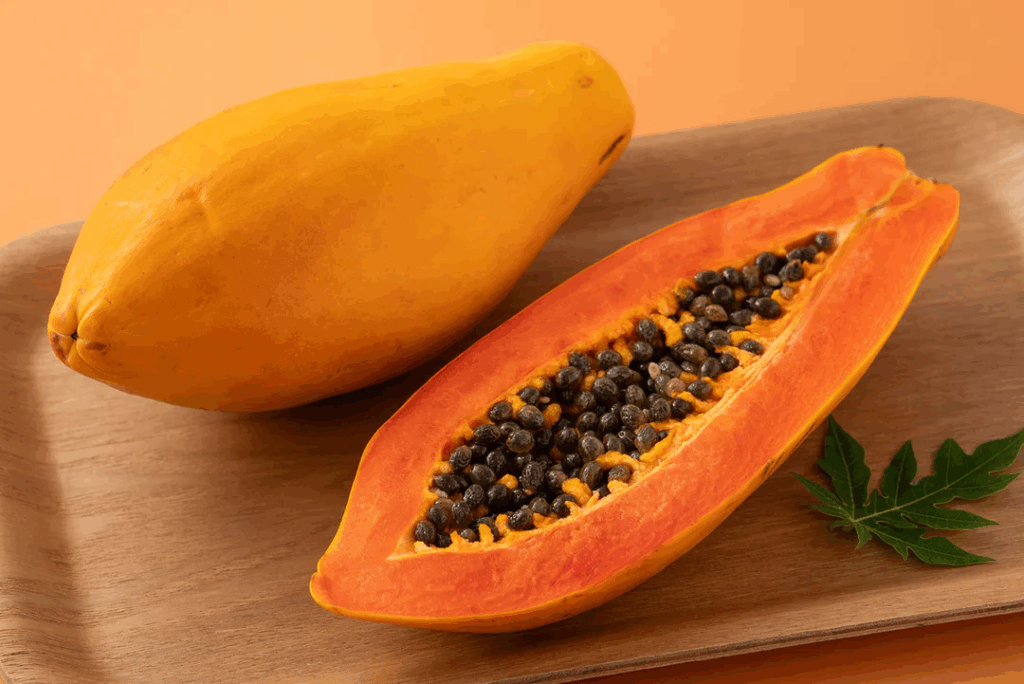
The Papaya (Carica papaya) looks like a large, pear-shaped melon, showing a smooth skin that shifts from a rich green to a vibrant golden-orange as it matures. In the hand, it feels weighty, smooth, and slightly soft when ready to slice. Cultivated on fast-growing, single-stemmed herbaceous trees that produce fruit in just 9 to 12 months, it thrives globally across tropical regions. The flavour is exceptionally gentle, mellow, and musky sweet, often carrying a subtle, clean floral undertone.
The mouthfeel is wonderfully soft, silky, and spoonable, contrasting with the hollow central cavity filled with peppery black seeds. Native to Central America and Southern Mexico, it was spread globally by Spanish and Portuguese explorers, quickly becoming a trusted household remedy for digestive comfort. Papaya is an exceptional source of folate and vitamin A, and contains papain—a powerful natural enzyme that breaks down tough protein fibre. It pairs beautifully with a fresh squeeze of lime juice or tossed into savoury, unrefined salads.
Star Fruit (Carambola)
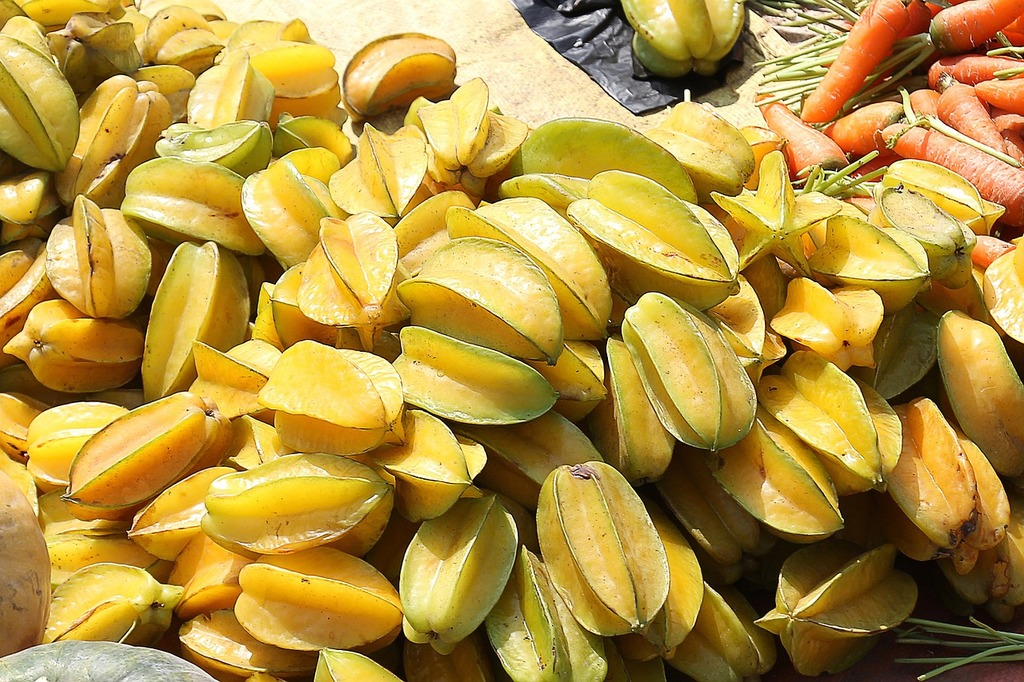
Star Fruit is a geometric wonder. It features a translucent, yellow-green skin with five deep, longitudinal ridges running along its body. When sliced crosswise, each piece forms a perfect five-pointed star. It feels firm, smooth, and distinctly waxy in the hand. Cultivated on small, bushy trees that produce fruit within 2 to 3 years, it is native to tropical Southeast Asia. The flavour is bright and zesty, tasting like a mix of green apple, white grape, and citrus.
Its mouthfeel is remarkably crisp, watery, and crunchy, offering a clean, refreshing bite. Historically grown as a backyard shade tree across local villages, it served as a reliable thirst-quencher during hot seasons. It is low in calories and rich in vitamin C, potassium, and active antioxidants. However, individuals with kidney conditions should strictly avoid star fruit due to its high concentration of caramboxin and oxalic acid. It pairs beautifully as an eye-catching garnish on fresh fruit platters or sliced into homemade salads.
Pomegranate
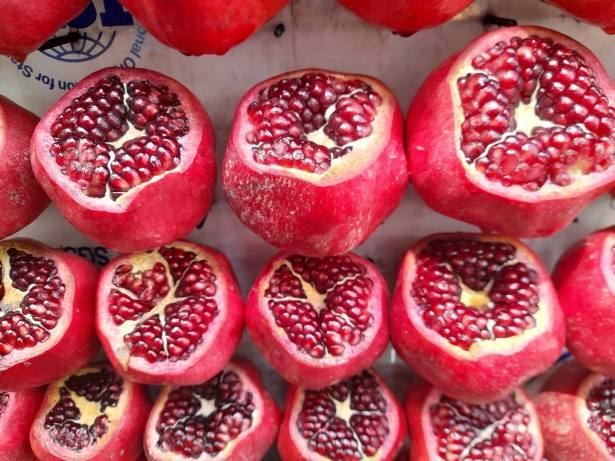
The Pomegranate (Punica granatum) looks like a regal, burnished-red orb topped with a distinct, crown-like calyx. In the hand, it feels heavy, hard, and tough. Cultivated on long-lived, drought-resistant shrubs that take 2 to 3 years to bear fruit, it thrives across the Mediterranean and Middle East. The flavour is an intense explosion of sweet and tart juices, providing a bold taste experience.
The mouthfeel offers a delightful pop as you bite into the thousands of juicy red gems (arils) clustered inside, followed by the light crunch of the edible seed. Symbolizing fertility and abundance across ancient Persian and Greek civilizations, it stands as one of humanity’s oldest cultivated whole foods. Pomegranates are rich in punicalagins—extremely powerful antioxidants that support cardiovascular health and reduce arterial inflammation. The vibrant arils pair brilliantly when scattered over fresh garden salads or served with homemade hummuses.
Persimmon
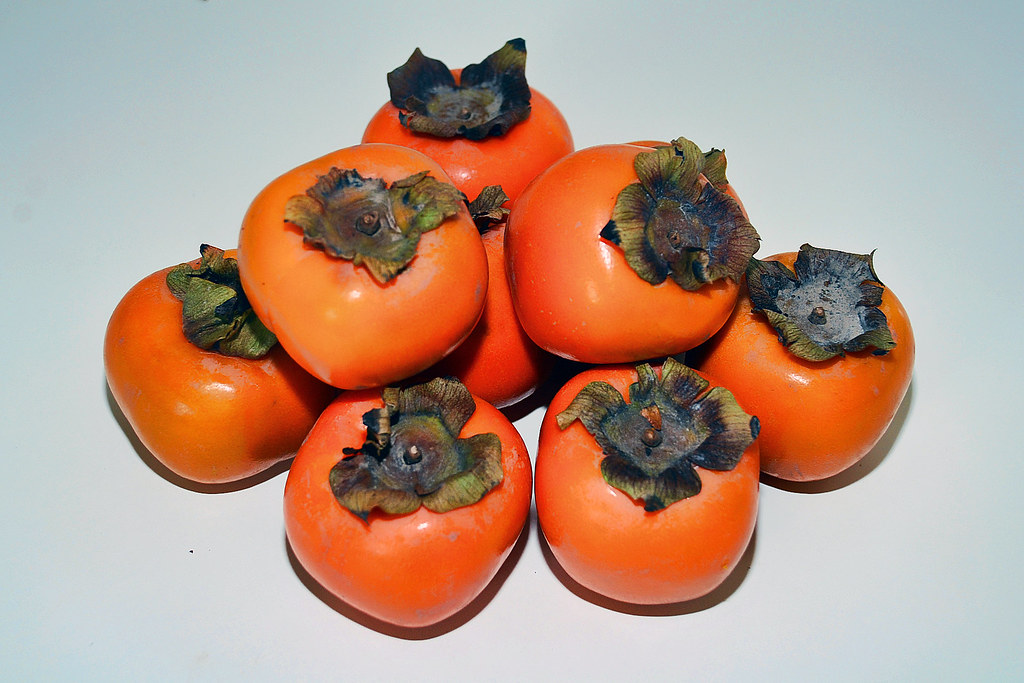
The Persimmon (Diospyros kaki) looks like a smooth, glossy, bright orange tomato topped with a stiff, woody calyx. It feels solid and firm when handling the common Fuyu variety, while the Hachiya variety becomes incredibly soft and jelly-like when fully ripe. Cultivated on beautiful deciduous trees that take 3 to 5 years to fruit, it is a deeply cherished winter staple across East Asia. The flavour is rich, warm, and honey-like, offering notes of brown sugar and sweet pumpkin.
The mouthfeel varies by variety: Fuyu is wonderfully crisp and crunchy like a fresh apple, whereas a ripe Hachiya offers a smooth, luxurious, and spoonable jelly texture. Historically celebrated in Chinese and Japanese culture as a traditional winter delicacy, the fruits were often hung out to dry naturally in the sun. Persimmons are an excellent source of soluble dietary fibre and vitamin A, which supports healthy vision and skin protection. They pair beautifully when sliced raw with fresh walnuts or served alongside fine cheeses.
Reclaiming our health does not require complicated, expensive wellness products. Instead, it invites us to explore the diverse and beautiful world of whole, unrefined fruits. Every unique shape, vibrant colour, and complex flavour profile we have explored represents a natural alternative to modern, ultra-processed food options. By stepping out of our comfort zones and adding these nutrient-dense fruits to our plates, we provide our bodies with essential vitamins, active enzymes, and powerful antioxidants.
As you continue your own culinary adventure, remember to celebrate the journey. Enjoy the rich cultures and histories behind these whole foods, respect the unique needs and boundaries of your own body, and let your diet become a diverse, joyful exploration of the best natural flavours our planet has to offer.
Have Your Say!
We would love to hear from you. Have you ever tried any of the extraordinary fruits on our list, or is there a hidden gem from your own travels that we missed? What is your favourite way to enjoy whole, unrefined foods at home? Drop your thoughts, recipes, and ideas in the comments section below and let’s keep the culinary conversation going!
Also note if you’re trying any of these fruits for the first time please ensure you are not allergic and do a little research first.
Verified Facts
- The botanical species Monstera deliciosa requires over 12 months of growth on the vine to produce a single mature fruit, which contains calcium oxalate crystals when unripe that cause severe physical irritation to the mouth and throat.
- The Black Sapote (Diospyros nigra) belongs to the same family as the persimmon (Ebenaceae) and provides roughly 19mg of vitamin C per 100g serving, which exceeds the daily nutritional value found in many common citrus fruits.
- Cupuaçu (Theobroma grandiflorum) is a direct taxonomic relative of the cacao tree and contains at least nine active antioxidant flavonoids, alongside high levels of vitamins B1 and B2.
- The Miracle Berry (Synsepalum dulcificum) contains an active glycoprotein called miraculin, which scientifically alters human taste perception by binding to sweetness receptors and making sour acids taste sweet.
- According to historical agricultural records, the Queen of Fruits title was popularised during the 19th century due to Queen Victoria’s documented offer of a reward for a perfectly preserved Malaysian mangosteen.
Links
- Kew Royal Botanic Gardens – Plant Profiles and Cultivation History of Monstera Deliciosa
- CABI Compendium – Comprehensive Datasheet on the Distribution and Uses of Diospyros Nigra
- Biodiversity for Food and Nutrition – Nutritional Profile Database for Theobroma Grandiflorum
- National Institutes of Health – Clinical Studies on Miraculin and Taste Modification Mechanics


We really let marketers convince us that standard European apples cause spiritual bankruptcy, so now we happily pay £12 for a neon dragon fruit that looks like an alien egg but tastes like a wet, depressed kiwi.
As humans we crave novel things. Life would be quite dull if we all wore, ate, saw and visited the same things and places. This article is two fold, its informative; Oranges were introduced to the uk in the 14th (Himalayas) Century and Peaches in the 16th (China), I could go on; many of the fruit that we’re accustomed too were once exotic, bananas (South East Asia / Oceania, Papua New Guinea), pineapples (South America, Brazil / Paraguay). Secondly its generally a good thing to know what’s out that there and understand some of the health benefits associated with fruit and their origins. At some point we’ll create an article about our top apples, Cox apples, a king of apples that rivals any fruit a certainly at the top!