

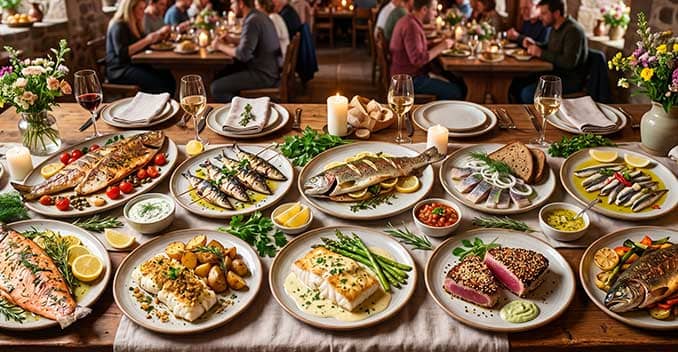
Since the dawn of human migration, our ancestors have clung to the coastlines and riverbanks like a lifeline—and for good reason. The “aquatic ape” hypothesis might be debated in ivory towers, but the nutritional evidence is written in our DNA. Our brains are essentially high-powered lumps of fat, and to keep them sparking, we’ve spent millennia harvesting the riches of the cold Atlantic, the tropical Pacific, and the rugged rivers of the North. From the humble peasant stews of the Scottish Highlands to the survival rations of the Indigenous peoples of the Pacific Northwest, fish hasn’t just been “food”—it has been the primary architect of human cognitive evolution.
When we talk about “brain food,” we aren’t just using a clever marketing tagline. We are talking about the critical role of long-chain Omega-3 fatty acids, specifically EPA and DHA. These aren’t just supplements; they are the structural components of our cell membranes. Throughout history, the most resilient cultures were those that understood the rhythm of the seasons—when the salmon would leap, when the mackerel would run, and when the walnuts would fall. These foods were often “peasant food,” accessible to those who lived off the land and sea, long before the advent of ultra-processed “convenience” that has, ironically, made us less healthy.
Integrating these whole foods into a modern diet isn’t just about physical longevity; it’s about mental clarity. In an era of brain fog and rising cognitive decline, returning to the “old ways”—home-made, minimally processed, and culturally rich meals—is a radical act of self-care. Whether it’s a salted sardine on crusty bread or a slow-poached fillet of wild trout, these dishes carry the weight of history and the promise of a sharper, stronger tomorrow.
1. Wild Pacific Salmon: The King of the Cold Current
The Salmon is the undisputed monarch of the “food arc,” transitioning from a vital survival staple for the Coast Salish peoples of North America to a global symbol of high-end nutrition. Historically, salmon was smoke-dried to last through brutal winters, providing a dense source of Vitamin D and protein when the sun vanished. Physically, salmon is a powerhouse for cardiovascular health, reducing systemic inflammation thanks to its high astaxanthin content—the antioxidant that gives it that iconic pink hue. For the mind, the DHA found in salmon is a literal building block for the cerebral cortex.
In terms of habitat, these anadromous wonders travel from freshwater streams to the salty depths of the North Pacific. While some stocks, particularly in the Atlantic, are under immense pressure, many Alaskan wild fisheries remain well-managed models of sustainability. In the kitchen, salmon is remarkably forgiving; its high fat content means it stays succulent even under high heat. It tastes distinctively buttery and “clean,” unlike the oilier pungency of smaller fish. A classic cultural preparation is Finnish Lohikeitto, a creamy leek and potato soup that celebrates the fish’s natural oils without the need for processed additives.
2. Atlantic Mackerel: The Blue-Blooded Powerhouse
Mackerel is the quintessential “people’s fish.” In the UK and across North and Western Europe, it was historically a cheap, abundant source of protein for coastal labourers. It is one of the densest sources of Omega-3s available. This makes it an elixir for the mind, known to improve memory retention and mood regulation. For the body, it’s a rare natural source of Vitamin D, essential for bone density and immune function in gloomier climates.
These sleek, fast-moving fish inhabit the temperate waters of the Atlantic. While mackerel stocks are generally more resilient than larger predators, they have faced “Mackerel Wars” over quotas between Iceland, Norway, and the UK. Mackerel has a bold, “fishy” (in a good way) flavour, similar to tuna but richer and more moist. It’s incredibly easy to prepare—simply pan-fry or grill. A traditional Japanese Saba Misono (mackerel simmered in miso) highlights how cultural fermentation techniques can further enhance the gut-brain axis.
3. Sardines: The Silver Survivalists
Sardines are perhaps the ultimate anti-inflammatory food. Because they sit low on the food chain, they do not bioaccumulate toxins like mercury, making them one of the cleanest choices for the body. Culturally, they are the heartbeat of Portugal and Cornwall (where they are famously “Pilchards”). Once a survival food for tin miners and sailors, they are now a gourmet superfood. They are packed with calcium (if you eat the soft bones) and Vitamin B12, which is crucial for nerve function and preventing cognitive atrophy.
Global stocks are generally healthy, though they fluctuate based on water temperature. Sardines taste intensely savoury and “umami-rich,” similar to anchovies but less salty. Preparation is effortless: they are best enjoyed grilled whole or mashed onto sourdough. The Sicilian Sarde a Beccafico—stuffed with pine nuts and raisins—showcases the Arab influence on Mediterranean cuisine, blending sweet, salty, and fatty notes in a nutritional masterpiece.
4. Rainbow Trout: The Freshwater Gem
Trout is the sophisticated cousin of the salmon, historically prized by rural communities across Europe and North America. As a “peasant food” found in local streams, it provided high-quality protein to those far from the sea. It is exceptionally high in potassium and phosphorus, supporting kidney function and muscle recovery. For the mind, the high protein-to-fat ratio provides steady amino acids necessary for neurotransmitter synthesis like serotonin and dopamine.
Trout thrive in cold, clear oxygenated waters. While wild populations face challenges from habitat loss, responsibly farmed rainbow trout (often in “raceways”) are considered one of the most sustainable fish options globally. It tastes like a milder, more delicate salmon with a nutty undertone. It is very easy to cook, particularly “En Papillote” (in paper), which preserves its moisture and nutrients.
5. Herring: The Foundation of Empires
The Herring is the fish that built Northern Europe; the Hanseatic League’s wealth was literally founded on the herring trade. It was the ultimate survival food, salted or pickled to sustain populations through famine. Nutritionally, it matches salmon for Omega-3 content but offers even higher levels of Vitamin B12. It is a “brain-protective” food, linked to lower risks of neurodegenerative diseases.
Found in vast shoals in the North Atlantic and Baltic seas, herring stocks are currently stable but require careful monitoring due to their role as a “forage fish” for larger predators. Herring has a distinct, oily flavour and a soft texture. While the Swedish Surströmming (fermented herring) is an acquired taste, the Dutch Nieuwe Haring (eaten raw with onions) or British Kippers (smoked herring) are accessible ways to enjoy this historic superfood.
6. Anchovies: The Umami Bomb
Often maligned as a pizza topping, the anchovy is a nutritional titan. In Ancient Rome, they were the base of Garum, a fermented fish sauce that was a staple of the legions. They are incredibly high in selenium, a trace mineral that protects the brain from oxidative stress. For the body, they provide a massive hit of heart-healthy fats without the risk of heavy metals.
Anchovies are found in temperate Mediterranean and Pacific waters. They are highly prolific, but overfishing for “fishmeal” (to feed farmed salmon) is a growing concern. They taste like “concentrated sea,” with a salty, savory punch. In Spain, Boquerones en Vinagre (anchovies in vinegar) is a refreshing, easy-to-prepare tapas dish that highlights their delicate texture when fresh.
7. Cod: The White Gold
Cod changed the course of history, enabling the Vikings to cross the Atlantic and the Basques to flourish. It was the quintessential “dried survival food” (Bacalao). While lower in fat than salmon, cod liver is the world’s premier source of Vitamin A and D. The flesh itself is lean and high in iodine, essential for thyroid health, which regulates the body’s metabolism and brain development in children.
Cod stocks in the Grand Banks and North Sea famously collapsed in the 1990s but are slowly recovering under strict regulation. Cod has a very mild, milky flavour and a large, succulent flake. It is the easiest fish for beginners to prepare. A traditional Portuguese Bacalhau à Brás (shredded cod with eggs and potatoes) is a hearty, home-made classic that turns “peasant” salt-cod into a feast.
8. Halibut: The Guardian of the Deep
Halibut is the largest of the flatfish, historically revered by indigenous Greenlanders and Alaskans. It is a massive source of magnesium—the “anti-stress” mineral—which helps relax blood vessels and improve blood flow to the brain. It also contains high levels of Vitamin B6 and B12.
Inhabiting the cold floor of the North Pacific and Atlantic, halibut are slow-growing, making them vulnerable to overfishing. Consumers should look for “Pacific Halibut” for the best sustainability ratings. It tastes sweet and firm, often compared to the “steak of the sea.” It holds up well to grilling or pan-searing and is a great entry point for those who “don’t like fishy fish.”
9. Albacore Tuna: The Silver Bullet
Tuna is the ultimate migratory athlete. Historically, Mediterranean cultures like the Sicilians developed the Mattanza—a ritualistic harvest of tuna. Albacore is particularly rich in niacin (Vitamin B3), which is vital for skin health and DNA repair. For the mind, it provides the protein-rich foundation for neurotransmitter health.
While Bluefin tuna is critically endangered, Albacore (often “Pole and Line” caught) is a much more sustainable choice. It has a firm, meaty texture and a mild flavour. It is best enjoyed “Tataki” style (seared on the outside, raw inside) to preserve its delicate fats.
10. Arctic Char: The Cold-Water Survivor
Arctic Char lives further north than any other freshwater fish, a staple for Inuit communities for centuries. It is the perfect middle ground between trout and salmon. It is exceptionally high in Omega-3s and carotenoids. Nutritionally, it supports “synaptic plasticity”—the brain’s ability to form new connections.
Char is one of the most eco-friendly fish to consume, as it thrives in closed-circuit land-based farms that don’t pollute the oceans. It tastes like a delicate, sweet salmon. It is very easy to bake or grill, making it a sustainable, high-nutrition alternative to Atlantic Salmon.
Returning to the Source
In our modern world of ultra-processed “food-like substances,” the path to health is often a journey backward. By embracing these ten fish—foods that have sustained empires, survived ice ages, and fueled the brains of our ancestors—we do more than just eat; we reconnect with a biological heritage. The key to “mind and body” health isn’t found in a lab, but in the cold, clear waters of our planet and the traditional kitchens of our cultures.
Choosing wild-caught or sustainably farmed fish, prepared simply at home with whole ingredients, ensures that we are nourishing our neurons as much as our muscles. Whether it’s the humble sardine or the majestic salmon, these foods are a testament to the fact that the most “nutritious” choice is often the one with the deepest history.
[Facts]
- Brain Composition: The human brain is nearly 60% fat, with DHA (found in fish) being the most abundant fatty acid in the cell membranes.
- Historical Wealth: In the 15th century, the herring fishery was so lucrative it was known as the “Silver Darlings” and accounted for a significant portion of Northern Europe’s GDP.



Be the first to comment