

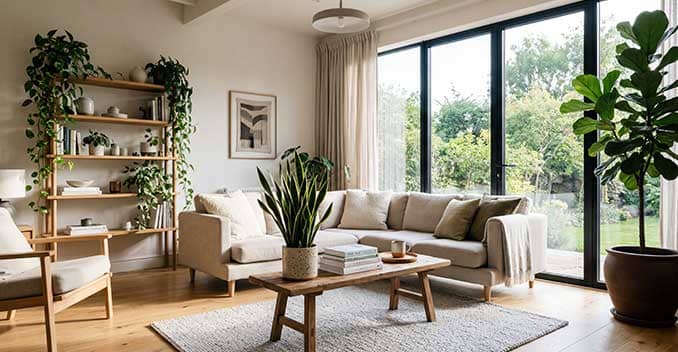
In an age defined by digital saturation and the relentless “toil” of modern existence, our internal landscapes often mirror the cluttered, high-velocity environments we inhabit. We are increasingly aware of how the constant stream of negative news can overstimulate the amygdala, leaving us in a state of chronic low-level stress. Amidst this noise, there is a quiet, ancestral pull back toward the botanical. Indoor gardening is not merely a decorative trend; it is a profound act of reclaiming our space and our mental clarity. By bringing the outside in, we create a “Green Wisdom” sanctuary—a biological counter-balance to the exhausting personal metrics and “debts” we feel we must pay down daily.
The relationship between humans and plants is deeply symbiotic, rooted in a “holistic but grounded” science that suggests our well-being is inextricably linked to the presence of living ecosystems. While we often obsess over personal goals—trying to optimise every minute of our day—we frequently overlook the simplest metric of health and air: the quality of the air we breathe and the visual calm of our surroundings. Indoor plants offer a unique form of “mindful” intervention. They don’t demand the high-stakes performance of a career or the curated perfection of social media; they simply exist, grow, and respire, inviting us to do the same.
The Breath of Life
The primary benefit of indoor plants is the ability to alter the chemistry of our immediate environment. Beyond the aesthetic appeal, plants act as biological filters. For the informed adult, understanding the “Green Wisdom” behind photosynthesis is key. While we often feel we are in a “debt to pay down” regarding our productivity, plants offer a net gain. Through their natural processes, they absorb carbon dioxide and release oxygen, subtly improving the air quality of our “work-from-home” bunkers. This isn’t just about oxygen; it’s about the reduction of Volatile Organic Compounds (VOCs) that off-gas from our furniture and carpets.
In a world where we must be “careful what we consume,” including the air we breathe, plants provide a grounding, tactile reality. They offer a physical manifestation of health that counters the abstract “negative news” on our screens. When we see a new leaf unfurl, it serves as a reminder that growth is possible even in confined spaces.
From Ancient Courtyards to Modern Flats
A Legacy of Growth
The origin of indoor plant cultivation dates back thousands of years, reflecting a perennial human desire to remain connected to the earth. From the Hanging Gardens of Babylon to the atrium gardens of Roman villas, “Green Wisdom” has always been a sign of a sophisticated, health-conscious society. Historically, the Victorians refined this practice, using Wardian cases—early terrariums—to protect delicate ferns from the coal-smoke of industrial London. This wasn’t just hobbyism; it was a response to the “toil” of the Industrial Revolution, much like our modern turn to greenery is a response to the Digital Age of sensory overload.
Biological Symbiosis
The biological and scientific effects of plants are measurable and profound. Research, including the landmark 1989 NASA Clean Air Study, has shown that specific plants can remove toxins like formaldehyde and benzene from the air. In a “holistic” sense, this affects the body on a cellular level. Cleaner air is better for the lungs for all the family including the furry ones and potentially better sleep quality. However, it is important to maintain a “balanced” view; while plants help, they cannot replace proper ventilation, open windows or medical treatment for asthma or allergies, so always consult a doctor or medically trained professional with any ailments.
Calming the Digital Mind
The “calming effects of plants” serve as a vital antidote to the “Effects of fast paced lifestyles, they can make us slow down and be more mindful when taking care of them or admiring nature albeit at a small scale at home in silence and peace.
However be mindful. “Plants and pets” can be a complicated mix. Just as we must be “careful what we consume” we must be careful what our pets consume. Many popular plants, such as Lilies or Sago Palms, are highly toxic to cats and dogs. Its definitely worth researching the toxicity of plants before adding them to your collection.
In conclusion, the journey into indoor plants is a pursuit of “Green Wisdom” that balances the “toil” of daily life with the restorative power of nature. By understanding the “biological and scientific effects” of our green companions, we can create environments that support both our “mind” and “body.”
[Facts]
- 1989: The year NASA published the “Interior Landscape Plants for Indoor Air Pollution Abatement” study, identifying plants like the Peace Lily (Spathiphyllum) as effective at removing VOCs.
- 0.5 to 1.0: The factor by which some studies suggest indoor plants can reduce symptoms like headaches and fatigue in office environments.
- 10%: The estimated increase in humidity provided by plants through transpiration, which can help alleviate dry skin and respiratory irritation.



Be the first to comment