

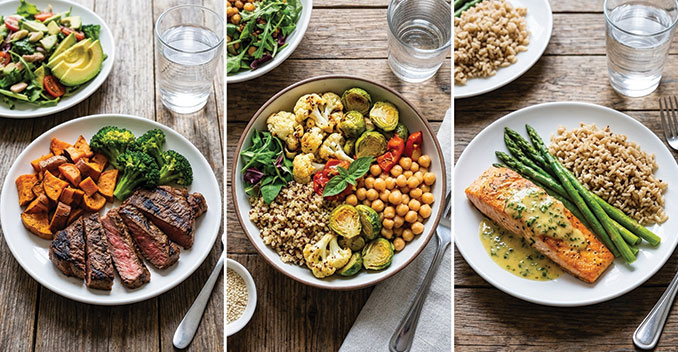
Over the decades dietary trends come and go like seasons. Our diets can be as varied as our personalities changing between extreme restriction and sudden engorgement. Some of the most profound culinary wisdom was perfected centuries ago by peasant communities cooking with what the earth provided.
Most diets across the globe rose out of necessity and survival, later giving way to gastronomy which still incorporates many of these rustic traditions. In the Mediterranean olive oil, wild greens and small fish sustained agricultural labourers through backbreaking days. In East Asia, fermented soybeans, rice and seasonal broths built resilient digestive microbiomes long before the term “probiotics” entered marketing parlance. These traditional ways of eating were inherently un-processed, seasonal and nutrient-dense. They were not “diets” in the modern sense; they were life, woven into cultural ritual and regional identity.
Yet, in our modern quest for quick fixes, optimal performance and longevity, we constantly invent dietary doctrines. As someone who loves food, my philosophy has always been simple: respect the ingredient, honour the cultural heritage behind the dish and feed the body real food. When we strip away ultra-processed additives, synthetic supplements and fad marketing we find that optimal nutrition lives in natural ingredients prepared with care.
Let us take a journey through the historical arc of popular diets—from Edwardian chewing manias to modern metabolic hacks—to separate the culinary gold from the nutritional nonsense.
1. Atkins
The Low-Carb Revolution
Origins & History: Introduced in 1972 by Dr Robert C. Atkins (1930–2003), an American cardiologist, through his book Dr Atkins’ Diet Revolution.
Advocates & Peak: Atkins flipped conventional high-carbohydrate nutritional guidelines on their head, restricting carbohydrates to force the body into a fat-burning state known as ketosis. Adopted by celebrities such as Jennifer Aniston and Brad Pitt, it reached a fever pitch in the late 1990s and early 2000s, where low-carb products dominated supermarket shelves.
The Arc & Status: While the original strict Atkins phase declined following corporate bankruptcy of the parent brand in 2005, its core science laid the foundational groundwork for modern low-carb and Keto movements.
Nutritional Analysis & Safety: Atkins successfully proved that cutting refined flour and sugar improves insulin sensitivity and triglyceride levels. However, early Atkins iterations relied heavily on processed meats, saturated fats and artificial sweeteners. When executed using grass-fed meats, wild fish and low-glycemic green vegetables, it provides a viable therapeutic tool, though long-term restriction of plant fibre can impact gut microbiota diversity.
2. Paleo
Returning to Ancestral Roots
Origins & History: Concepts were developed in the 1970s by gastroenterologist Walter Voegtlin, but the movement was codified in 2002 by Dr Loren Cordain in his book The Paleo Diet.
Advocates & Peak: The Paleolithic diet argues that human genetics have not adapted to modern agricultural foods. It excludes grains, legumes, dairy, refined sugar and processed oils, focusing entirely on grass-fed meats, fish, vegetables, fruits, nuts and seeds. It reached peak mainstream popularity between 2010 and 2015.
The Arc & Status: While the hyper-strict “caveman” narrative has softened, Paleo helped reintroduce culinary appreciation for grass-fed butcher cuts, bone broths and organ meats, directly influencing modern clean-eating philosophies.
Nutritional Analysis & Safety: By eliminating ultra-processed foods, refined sugars and industrial seed oils, Paleo significantly improves metabolic markers. Eliminating entire food groups like legumes and whole grains is unnecessary for most healthy individuals, but as a framework based on real, whole foods, it remains safe and nutrient-dense.
3. Keto
Metabolic Shift to Ketosis
Origins & History: Developed in the 1920s at the Mayo Clinic by Dr Russell Wilder as a therapeutic treatment for drug-resistant epilepsy in children.
Advocates & Peak: In the mid-2010s, the Ketogenic diet was adopted by Silicon Valley biohackers, endurance athletes and fitness influencers. By dramatically reducing carbohydrates to under 50 grams per day while increasing fat intake to 70–80% of daily calories, it forces the liver to produce ketone bodies for energy.
The Arc & Status: Keto remains a massive commercial force, though many users struggle with long-term compliance. The culinary industry now offers everything from keto breads to MCT oil supplements.
Nutritional Analysis & Safety: Mechanistically, ketosis is highly effective for rapid blood sugar control, therapeutic neurological conditions and short-term fat loss. However, “dirty keto”—living on processed bacon, low-quality cheese and industrial oil spreads—promotes systemic inflammation. A healthy keto diet must prioritise avocados, extra virgin olive oil, wild seafood and leafy brassicas.
4. Timed Fasting (e.g., No Eating After 6 PM)
Aligning Nutrition with Circadian Rhythms
Origins & History: Time-restricted eating based on daylight hours is an ancient practice found in traditional monastic orders, Ayurvedic medicine and traditional Chinese medicine body clocks.
Advocates & Peak: Modern scientific interest surged in the late 2000s and 2010s through the research of Dr Satchidananda Panda on circadian biology and chrono-nutrition.
The Arc & Status: The rule is simple: consume all daily meals within daylight hours and refrain from eating after 6 PM or 7 PM. It is widely practiced today as a sensible, non-obsessive approach to weight management and sleep optimisation.
Nutritional Analysis & Safety: Eating in harmony with circadian rhythms aligns with natural human insulin sensitivity, which peaks in the morning and declines at night. Eliminating late-night snacking reduces nocturnal acid reflux, improves sleep quality and prevents late-night consumption of ultra-processed hyper-palatable foods. It is completely safe, natural and highly effective.
5. Intermittent Fasting
The Autophagy Protocol
Origins & History: While fasting is woven into the spiritual fabric of every major human culture—from Christian Lent, Yom Kippur and Ramadan—modern intermittent fasting (IF) was popularised in the West by Dr Michael Mosley in 2012 through his BBC documentary and book The Fast Diet (the 5:2 method), as well as 16/8 protocols.
Advocates & Peak: Adopted by millions worldwide, including tech leaders, athletes and health professionals, IF peaked in the late 2010s and remains a dominant lifestyle strategy today.
The Arc & Status: Rather than restricting what you eat, IF restricts when you eat. Common models include 16-hour daily fasts or reduced calories two days a week.
Nutritional Analysis & Safety: Fasting triggers cellular repair processes, notably autophagy—the body’s way of clearing out damaged organelles and cellular debris—while improving insulin sensitivity and blood pressure. Provided hydration and nutrient density during feeding windows are maintained, Intermittent Fasting is safe, sustainable and deeply restorative.
6. Veganism
The Complete Plant-Based Paradigm
Origins & History: Coined in 1944 by Donald Watson (1910–2005) in the UK when he co-founded The Vegan Society, separating complete plant-based living from traditional lacto-ovo vegetarianism.
Advocates & Peak: Historically a niche ethical movement, veganism exploded into mainstream cultural consciousness in the 2010s, driven by environmental awareness, documentary filmmaking and celebrity endorsement from figures like Lewis Hamilton and Joaquin Phoenix.
The Arc & Status: Veganism has transformed food production globally. However, a modern divide has emerged between whole-food veganism (legumes, grains, nuts, seeds, vegetables) and the rise of ultra-processed fake meats packed with industrial seed oils, gums and isolated starches.
Nutritional Analysis & Safety: A whole-food vegan diet is exceptionally rich in antioxidants, phytonutrients and fibre, supporting heart health and gut microbe diversity. However, strict adherence requires mandatory supplementation of Vitamin B12, alongside careful planning for Iodine, Vitamin D, Omega-3 fatty acids and bioavailable Minerals.
7. Pescatarianism
The Coastal Harvest Strategy
Origins & History: While coastal societies from the Mediterranean basin to Nordic regions and Pacific islands have lived on fish, grains and plants for millennia, the term “pescatarian” was coined in the early 1990s.
Advocates & Peak: Blending vegetarian principles with the inclusion of fish and seafood, pescatarianism gained widespread popularity through the 2000s as evidence mounted regarding the health benefits of the traditional Mediterranean and Okinawan diets.
The Arc & Status: Pescatarianism continues to grow steadily worldwide, favoured by those seeking the ethical and environmental benefits of a plant-leaning diet alongside the culinary versatility and protein quality of marine life.
Nutritional Analysis & Safety: Pescatarianism offers an outstanding nutritional profile. Wild oily fish (sardines, mackerel, wild salmon) supply pre-formed omega-3 fatty acids (EPA and DHA), crucial for brain function and reducing vascular inflammation. The main caution involves avoiding high-mercury apex predators like swordfish and bigeye tuna in favour of sustainably caught, smaller species.
8. Vegetarianism
The Ancient Ethical Standard
Origins & History: Vegetarianism is one of humanity’s oldest dietary traditions, deeply rooted in the philosophical and religious heritage of ancient India (Vedic culture, Hinduism, Jainism, Buddhism) and classical Greece (Pythagoras and his followers).
Advocates & Peak: Championed historically by figures like Leonardo da Vinci, George Bernard Shaw and Mahatma Gandhi, vegetarianism transitioned from an ethical and spiritual practice into a mainstream Western health movement during the 1970s.
The Arc & Status: Excluding meat, poultry and seafood while retaining dairy and eggs, vegetarianism remains a globally sustained, culturally integrated lifestyle. Today, hundreds of millions of people practice vegetarianism natively across South Asia and the globe.
Nutritional Analysis & Safety: A whole-food vegetarian diet rich in lentils, chickpeas, seasonal vegetables, nuts and fermented dairy provides exceptional cardiovascular benefits, high dietary fibre and reduced risks of colorectal cancers. The primary nutritional consideration is ensuring sufficient intake of bioavailable iron, zinc and Vitamin B12, easily managed through thoughtful food pairing.
9. The Zone Diet
Precision Macronutrient Balance
Origins & History: Created in 1995 by Dr Barry Sears, an American biochemist, through his bestseller Enter the Zone.
Advocates & Peak: The Zone Diet was engineered to reduce cellular inflammation by balancing every meal with a strict caloric ratio: 40% carbohydrates, 30% protein and 30% fat. It was quickly adopted by elite endurance athletes, Hollywood stars like Madonna and eventually became the foundational dietary model for early CrossFit communities in the mid-2000s.
The Arc & Status: The diet requires precise block counting and meal measuring. While still utilised by performance athletes, its popularity among general consumers waned due to the meticulous calculation required for daily cooking.
Nutritional Analysis & Safety: The Zone Diet is remarkably safe and medically sound. It encourages lean proteins, monounsaturated fats (like olive oil and avocado) and low-glycemic fruits and vegetables. By stabilising blood glucose and insulin production, it supports steady energy and cardiovascular health without metabolic extremes.
10. The Grapefruit Diet
The Hollywood Citrus Craze
Origins & History: Emerging around 1930 in the United States, the Grapefruit Diet (often dubbed the “Hollywood Diet”) was popularised during the golden age of cinema as a rapid weight-loss plan for actors.
Advocates & Peak: It was adopted by screen icons looking for immediate results before filming and surged in popularity throughout the 1970s and 1980s.
The Arc & Status: The diet required consuming half a grapefruit or a glass of unsweetened grapefruit juice before every meal, alongside a severe restriction of daily calories (often under 800 kcal), heavily focusing on black coffee, eggs and lean meat. Proponents claimed grapefruit contained a magical “fat-burning enzyme”. While the enzyme claim was medically debunked, the diet resurfaces periodically on social media as a quick reset.
Nutritional Analysis & Safety: Grapefruit is rich in Vitamin C, potassium and soluble fibre. However, as a long-term diet, it is nutritionally deficient and carries medical risks: grapefruit compounds (furanocoumarins) inhibit the CYP3A4 enzyme in the liver, interacting dangerously with numerous prescription medications.
11. Fletcherism
The Edwardian Art of Extreme Mastication
Origins & History: Fletcherism was introduced in the late 1890s and early 1900s by Horace Fletcher (1849–1919), an American self-taught dietitian known colloquially as “The Great Masticator”.
Advocates & Peak: Fletcher advocated chewing every mouthful of food at least 32 times—or until it turned to complete liquid—before swallowing. Liquid foods were to be swished around the mouth equally long. Popular adopters included industrialist John D. Rockefeller, author Henry James and cereal pioneer Dr John Harvey Kellogg. It reached its absolute peak of popularity between 1900 and 1910.
The Arc & Status: The craze eventually faded as the sheer social tedium of spending two hours over a simple bowl of soup proved unsustainable. Today, pure Fletcherism is long defunct, though modern gastroenterology acknowledges its core premise: thorough chewing aids salivary amylase digestion and promotes satiety signals.
Nutritional Analysis & Safety: Is it safe? Completely safe, if socially agonising. Fletcherism worked for weight loss primarily because people grew exhausted from chewing and simply ate less food.
12. The Master Cleanse
The Extreme Liquid Fast
Origins & History: Created in 1941 by Stanley Burroughs (1903–1991), an alternative medicine practitioner and republished in his 1976 book The Master Cleanser.
Advocates & Peak: The diet gained massive tabloid attention in 2006 when singer Beyoncé announced she used it to lose weight for her role in Dreamgirls.
The Arc & Status: The protocol mandates consuming zero solid food for 10 to 14 days, drinking only a concoction of fresh lemon juice, grade B maple syrup, cayenne pepper and water, accompanied by nightly laxative teas and morning saltwater flushes. It resurfaces sporadically on social media but is widely dismissed by medical professionals.
Nutritional Analysis & Safety: The body possesses its own sophisticated, highly effective detoxification system: the liver, kidneys, lungs and gastrointestinal tract. The Master Cleanse is a starvation regimen that causes electrolyte imbalances, muscle wasting, severe lethargy and rebound weight gain. In hindsight and practice, it is unsafe and scientifically baseless.
13. The Drinking Man’s Diet
Mid-Century Corporate Low-Carb Escapism
Origins & History: Authored in 1964 by Robert Cameron (1911–2009), a San Francisco photographer and bon vivant, The Drinking Man’s Diet became an instant publishing sensation, selling over 2.4 million copies globally.
Advocates & Peak: Targeted at corporate executives in the “Mad Men” era, the diet permitted high-fat protein meals paired with low-carbohydrate alcoholic drinks—gin, vodka, dry martinis and steak—while strictly limiting carbohydrates to under 60 grams per day. It peaked through the mid-1960s.
The Arc & Status: While readers delighted in a diet that allowed double martinis at lunch, mainstream medical bodies like the Harvard School of Public Health swiftly condemned it. It faded as public health awareness shifted toward heart health, though it stands as a direct cultural ancestor to modern low-carb regimes.
Nutritional Analysis & Safety: While cutting refined sugars promotes initial water weight loss, consuming heavy alcohol alongside saturated fats increases cardiovascular strain, liver stress and chronic inflammation. In hindsight, it was far from safe.
14. The Cabbage Soup Diet
The Monotonous Quick Fix
Origins & History: Originating in the United States during the 1950s as an informal fad, the Cabbage Soup Diet was often falsely attributed to institutions like the Sacred Heart Hospital or the Mayo Clinic to gain medical credibility.
Advocates & Peak: It gained massive traction in the 1980s and 1990s through magazine features and word-of-mouth fax chains, adopted by individuals seeking rapid weight loss for upcoming events.
The Arc & Status: The protocol involved consuming unlimited quantities of a low-calorie soup made from cabbage, onions, tomatoes and broth for seven consecutive days, paired with specific restricted foods on designated days. The diet works solely through severe caloric deficit. It remains a fleeting panic-diet today, though universally loathed for its extreme monotony and digestive side effects.
Nutritional Analysis & Safety: Cabbage is a wonderful brassica packed with sulforaphane, fibre, Vitamin C and gut-friendly nutrients. However, living on cabbage soup alone causes rapid loss of muscle mass, electrolytes and essential fatty acids. It is flatulent, nutritionally unbalanced and unsafe for long-term health.
Back to the Table: What Modern Culinary Science Teaches Us
Having dissected over a century of dietary trends, a clear, reassuring picture emerges. Human health does not require extreme gimmicks, bizarre liquid cleanses or the elimination of whole food categories that sustained our ancestors for generations. The human body thrives on real food, cooked with skill and eaten in moderation.
The future of gastronomy and nutrition lies in looking backward to move forward. When we focus on ethically sourced, locally grown, seasonal ingredients—fermented sourdoughs, vibrant brassicas, wild-caught seafood, cold-pressed oils and slow-simmered broths—we naturally eliminate the true culprit of modern chronic disease: ultra-processed food products engineered for hyper-palatability.
As a chef, my advice is simple. Cook at home whenever you can. Honour the culinary traditions that came before us. Eat with the seasons, support local producers who care for the soil and enjoy your food at a table shared with people you love. Good health is not a punishment; it is a celebration of the extraordinary bounty nature provides.
Have Your Say!
Which of these dietary trends have you tried over the years? Have you embraced intermittent fasting, cut back on ultra-processed foods or returned to traditional home cooking? We want to know your experiences, your favourite whole-food recipes and your take on the future of food!
Join the conversation or follow us on facebook, instagram, youtube, TikTok, LinkedIn and X/Twitter or why not submit your own article! Or email at contribute@criticalmatters.net.
More Information
Facts & Figures
- Dr Robert C. Atkins (1930–2003): Published Dr Atkins’ Diet Revolution in 1972, initiating the modern low-carbohydrate movement.
- Dr Loren Cordain: Published The Paleo Diet in 2002, codifying the grain-free, legume-free ancestral eating model.
- Dr Russell Wilder: Developed the Ketogenic Diet at the Mayo Clinic in 1921 as a clinical treatment for childhood epilepsy.
- Timed Fasting: Aligns consumption with circadian rhythms, utilising daylight hours to maximise human insulin sensitivity.
- Dr Michael Mosley: Popularised the 5:2 Intermittent Fasting protocol in 2012 through BBC broadcasting and published works.
- Donald Watson (1910–2005): Coined the term “Vegan” in the UK in 1944 and co-founded The Vegan Society.
- Pescatarianism: Coined in the early 1990s to describe plant-leaning diets incorporating fish and seafood rich in EPA and DHA omega-3s.
- Vegetarianism: Rooted in ancient Indian and classical Greek philosophy; transitioned into a Western health movement in the 1970s.
- Dr Barry Sears: Introduced The Zone Diet in 1995, establishing the 40:30:30 macronutrient ratio for inflammation control.
- The Grapefruit Diet (1930s): Requires half a grapefruit before meals with calorie restriction under 800 kcal/day. Interacts with CYP3A4 liver enzymes.
- Horace Fletcher (1849–1919): Advocated chewing food 32 times per mouthful. His movement, Fletcherism, peaked globally between 1900 and 1910.
- Stanley Burroughs (1903–1991): Created The Master Cleanse liquid fast in 1941, published in book format in 1976.
- Robert Cameron (1911–2009): Published The Drinking Man’s Diet in 1964, selling over 2.4 million copies in 13 languages.
- The Cabbage Soup Diet (1950s): Extreme low-calorie regimen focusing on brassica soup, peaking in popularity during the 1980s and 1990s.



Be the first to comment