


Food is the ultimate time machine. It is the only art form that engages all five senses simultaneously while telling the story of human migration, climate shifts, economic survival, and tribal identities. Long before modern grocery aisles filled with ultra-processed convenience items engineered for shelf-life rather than human life, human nutrition relied entirely on local ecosystems. The history of gastronomy is rooted deeply in peasant food and survival strategies. From coastal communities fermenting fish to endure harsh winters, to pastoral tribes utilising every part of an animal, the foundation of delicious food has always been a zero-waste, nutrient-dense pursuit of survival.
When we look back at the roots of regional cuisine, the “food arc” generally follows a path from necessity to luxury. A classic French bouillabaisse was not invented as a high-end luxury; it was a stew made by Marseillais fishermen using the bony rockfish they could not sell at the market. Over time, these rustic, home-made methods were refined, but the fundamental chemistry remained the same: slow cooking, using whole foods, bone broths, healthy fats, and indigenous herbs. This traditional approach to cooking provides deep holistic benefits, aligning perfectly with human biology. Medical proofs increasingly show that a diet rich in whole foods, clean proteins, and diverse plant fibres supports gut microbiome health, lowers systemic inflammation, and reduces the risk of chronic cardiovascular and metabolic diseases.
The culinary landscape of Great Britain and the wider world was transformed over the last several decades by a distinct group of chefs, cooks and Michelin Stars. These individuals transitioned cooking from the mundane domestic chore into creativity, heritage, fun, learning, humour, even cultural conversation but most importantly with their unique flavours and personalities they captured over the decades our tastebuds and imaginations. By championing local producers, resurrecting forgotten traditional techniques, or introducing global spice routes to the British public, these iconic figures shifted our focus back toward the emotional and physiological value of a home-cooked meal all unfolding on a screen in your living room.
Keith Floyd: The Wandering Gastronaut
The Original Wine-Swirling Pioneer of Travel Cookery
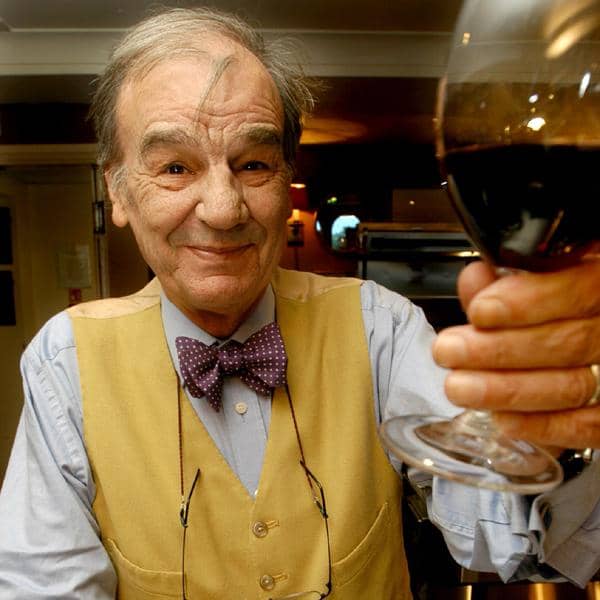
Keith Floyd (28 December 1943 – 14 September 2009) fundamentally tore down the rigid, formal walls of television cooking. Operating across a career that spanned from his first major BBC breakthrough in 1985 until his passing, Floyd brought an eccentric and utterly infectious joy to the screen. He famously stepped out from behind the sterile studio set, taking his pots, pans, and iconic glass of red wine to fishing boats, windy hillsides, and bustling local markets. His restaurants, including Floyd’s Bistro in Bristol, reflected his desire for unpretentious, flavour-first dining. His hit series like Floyd on Fish (1985) and Floyd on France redefined the travel-cookery genre.
Floyd’s signature dishes focused heavily on classic regional European bistro food, such as a rich, slow-simmered Boeuf Bourguignon or a fresh, garlic-laden Moules Marinière. He championed the culture of the French countryside, where food was a daily celebration of local agriculture rather than a status symbol.
From a nutritional standpoint, Floyd’s heavy reliance on classic braising methods and whole ingredients offered excellent health value. Slow-cooking tough cuts of meat on the bone releases gelatin and collagen, which are highly beneficial for joint health and gut integrity. Though he was fond of a heavy splash of wine, his basic culinary blueprint relied entirely on scratch cooking with fresh vegetables and unrefined fats, entirely steering clear of the artificial preservatives found in the ultra-processed ready meals of his era.
Anton Mosimann: The Architect of Clean Flavours
The Pioneer of Cuisine Naturelle
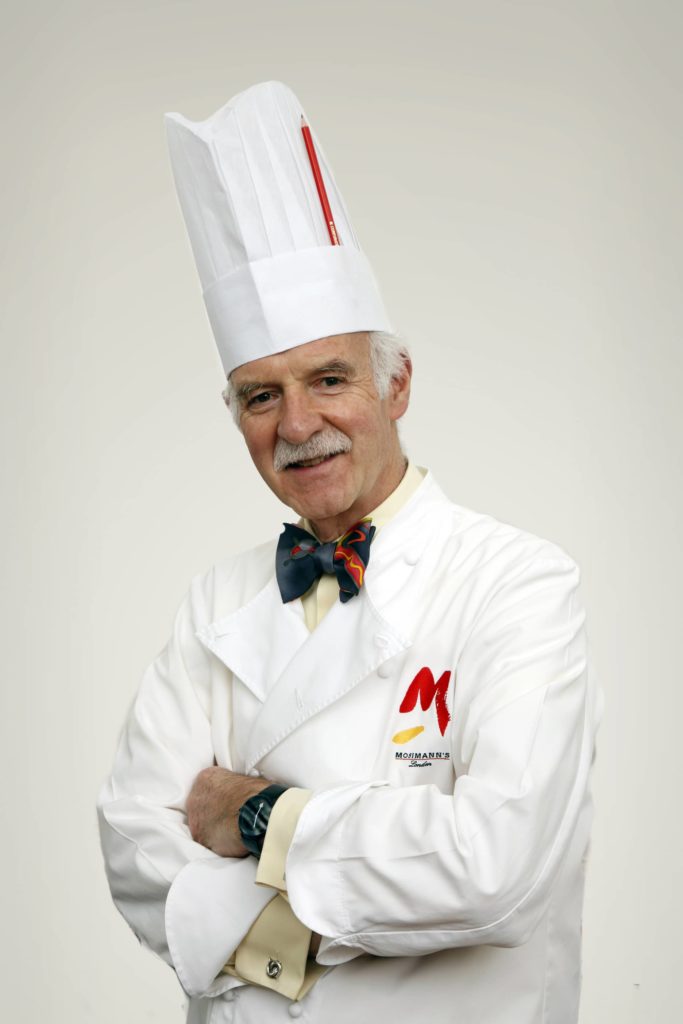
Swiss-born chef Anton Mosimann (born 23 February 1947) brought an unparalleled level of precision to the British culinary scene. Appointed Maitre Chef de Cuisines at London’s Dorchester Hotel in 1975 at the exceptionally young age of 28, he led the restaurant to a historic two-star Michelin rating—the first hotel establishment outside of France to achieve the feat. He later established Mosimann’s, an exclusive private dining club in Belgravia housed in a converted Scottish Presbyterian church. His television presence includes acclaimed specials like Anton Goes to Sheffield (1985) and Anton Mosimann – Naturally (1991–1992).
Mosimann’s crowning achievement is the creation of cuisine naturelle. This revolutionary culinary philosophy completely eliminated heavy elements like butter, cream, and alcohol from haute cuisine. Instead, he concentrated intensely on the pure, unadulterated flavours of individual ingredients, utilising light steaming, poaching, and raw preparations. A signature dish exemplifying this is his poached chicken breast served with a vibrant, nutrient-dense herb purée.
The medical facts backing Mosimann’s approach are profoundly compelling. By swapping out saturated dairy fats and heavy reductions for intensely concentrated vegetable reduction stocks and steaming techniques, his recipes drastically reduced caloric density while maximising micronutrient retention. Steaming preserves water-soluble vitamins (such as Vitamin C and B vitamins) that are typically destroyed by aggressive boiling or frying, making his cuisine a masterclass in heart-healthy, inflammation-reducing dining.
Rick Stein: The Maritime Chronicler
The Guardian of the Sea and Global Spice Routes
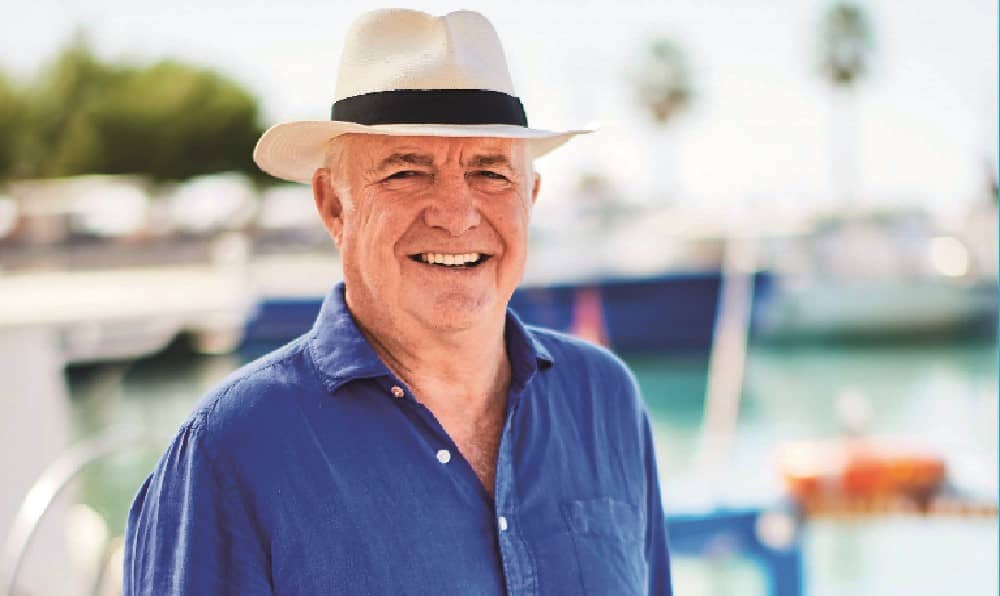
Christopher Richard “Rick” Stein (born 4 January 1947) transformed the small Cornish fishing port of Padstow into a world-famous gastronomic destination, opening The Seafood Restaurant alongside his business partner and wife Jill Stein in 1975 (divorced in 2007). Over the course of five decades, Stein became the BBC’s premier maritime explorer, hosting landmark documentary series such as Taste of the Sea (1995), Rick Stein’s Seafood Odyssey (1999), and later global travelogues like Rick Stein’s India (2013) and Rick Stein’s Australia (2026).
Stein’s life’s work has been an ode to coastal communities and the survival foods born from them. His signature dishes—from a perfectly crisp Cornish grilled sea bass to a fiery, fragrant Goan fish curry—celebrate the deep-rooted cultural ties between geography and diet.
Seafood is arguably the most nutrient-dense animal protein available. Wild-caught fish are packed with Omega-3 fatty acids (specifically EPA and DHA), which are clinically proven to support cognitive function, lower blood pressure, and reduce systemic cardiovascular risk. By pairing fresh seafood with anti-inflammatory roots like ginger, garlic, and turmeric found in his global travel recipes, Stein’s culinary repertoire serves as a powerful dietary shield against chronic inflammatory diseases.
Gordon Ramsay: The Master of High-Octane Perfection
The Global Icon of Fiery Precision

Gordon Ramsay (born 8 November 1966) is one of the most commercially successful and universally recognised chefs on the planet. Rising from a gruelling classical background under culinary giants like Marco Pierre White and Joël Robuchon, Ramsay achieved the ultimate culinary milestone when his flagship establishment, Restaurant Gordon Ramsay in Chelsea, secured three Michelin stars in 2001—a standard it has maintained ever since. His global TV empire, spanning Ramsay’s Kitchen Nightmares, Hell’s Kitchen, and MasterChef, showcases a famously intense, uncompromising personality driven by an absolute obsession with technical perfection.
Ramsay’s definitive signature dish is the legendary Beef Wellington: a prime fillet of beef coated in a rich mushroom duxelles, wrapped in parma ham and puff pastry. While this dish represents celebratory, luxurious dining rather than everyday peasant fare, Ramsay’s foundational philosophy centres on sourcing seasonal, pristine local ingredients and respecting the natural structure of food.
Nutritionally, Ramsay’s strict adherence to classical methods means utilising real, whole foods. The mushroom duxelles within his Wellington, for instance, provides a potent dose of B-vitamins, selenium, and copper, alongside beta-glucans that stimulate immune function. Ramsay constantly preaches the elimination of processed filler elements, proving that even high-end, indulgent meals can be constructed purely from scratch using biochemically clean ingredients.
Jamie Oliver: The Naked Chef with a Social Mission
The Campaigner for Honest, Accessible Home Cooking
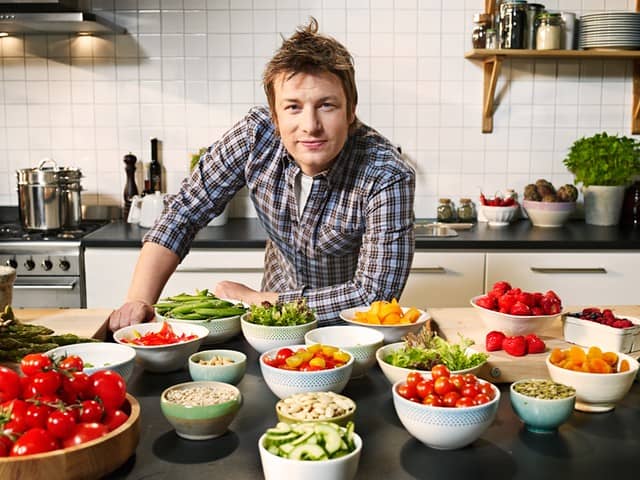
Jamie Oliver (born 27 May 1975) burst onto the British television scene in 1999 with The Naked Chef, a show whose title referenced his desire to strip away the complex, elitist jargon of professional kitchens and present simple, unpretentious food. Oliver quickly weaponised his massive public platform to address systemic health issues, leading high-profile national campaigns such as Jamie’s School Dinners (2005) to ban ultra-processed junk food from British school cafeterias and encourage families to cook from scratch.
His restaurants, including the widely popular Jamie’s Italian, and books like 15-Minute Meals focused heavily on accessible, rustic Mediterranean food culture. A classic signature dish is his Traybaked Chicken, roasted with whole tomatoes, garlic, olives, and a generous drizzle of extra virgin olive oil. This style of cooking borrows directly from Italian peasant traditions, where a handful of inexpensive garden elements are thrown together to feed a large family.
Oliver’s focus is entirely centered on long-term wellness and metabolic health. By advocating for the complete eradication of ultra-processed foods (UPFs), his recipes protect the body from the artificial emulsifiers, stabilisers, and excess refined sugars that drive modern metabolic syndrome. His heavy inclusion of extra virgin olive oil delivers high quantities of oleic acid and oleocanthal, natural compounds renowned for their profound antioxidant properties and ability to protect vascular health.
Kevin Bludsoe: The Pitmaster of Community and Heritage
The Guardian of Real Texas Barbecue
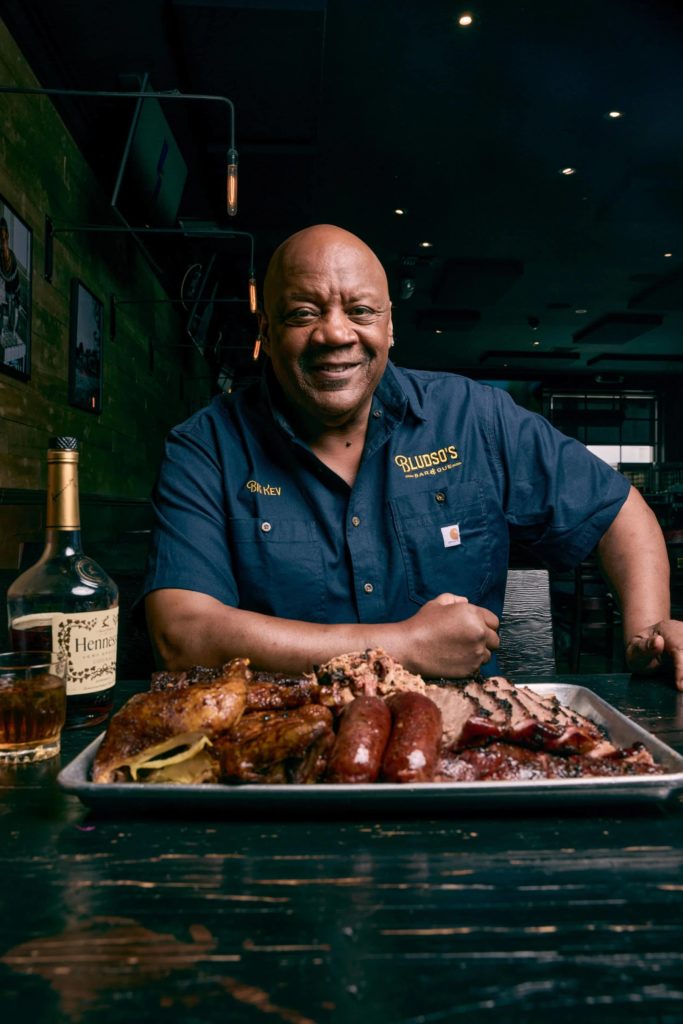
Representing the rich, soulful diaspora of American barbecue, Kevin Bludsoe founded the legendary Bludsoe’s BBQ in Compton, California, in 2008, drawing directly from generations of family secrets rooted deeply in Corsicana, Texas. As a prominent judge on Netflix’s The American Barbecue Showdown, Bludsoe brought the meticulous, low-and-slow craft of real smokehouse cooking to a global mainstream audience.
Barbecue is the definitive historical survival and community food of the American South. Developed by enslaved people and impoverished rural workers, it relied on taking the toughest, least desirable, and cheapest cuts of meat—like beef brisket and pork shoulder—and rendering them incredibly tender through hours of smoking over native hardwoods like pecan and oak. Bludsoe’s signature dish is his legendary slow-smoked Texas brisket, featuring a perfectly dark, bark-like exterior spice rub and a deep smoke ring.
From a nutritional standpoint, real wood-smoked barbecue stands in stark, healthy contrast to modern processed meats packed with chemical nitrates, liquid smoke, and high-fructose corn syrup glazes. Bludsoe’s traditional method relies purely on wood smoke, coarse salt, black pepper, and high-quality meat. This process preserves the essential amino acids, iron, and bioavailable zinc within the beef without introducing the carcinogenic chemical additives typically found in factory-produced deli meats and fast-food variants.
Ainsley Harriott: The Joyous Champion of Quick, Vibrant Food
The King of Accessible, High-Energy Kitchens
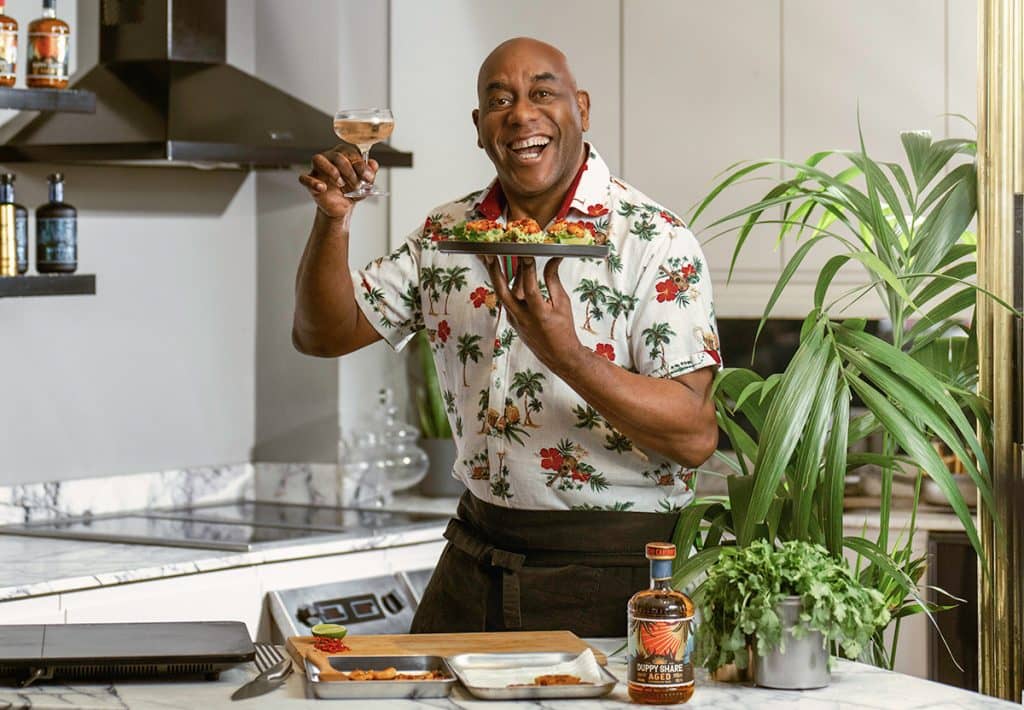
Ainsley Harriott (born 28 February 1957) brought an unmatched explosion of charisma, theatrical energy, and fun to British daytime television. As the long-standing host of BBC’s wildly successful Ready Steady Cook (running across decades from the 1990s), Harriott demystified the kitchen for millions of casual viewers, showing that a lack of time should never be an excuse for resorting to processed ready-meals.
Harriott’s culinary heritage is rooted deeply in Caribbean cuisine, a culture that beautifully blends West African, East Indian, and indigenous Taíno food traditions born out of colonial survival and resourcefulness. His signature dish is an authentic, punchy Jerk Chicken, marinated in a fiery blend of allspice, scotch bonnet chillies, thyme, and scallions.
The health benefits of Harriott’s spice-forward cooking are immensely powerful. The capsaicin found in scotch bonnet chillies is a potent metabolic stimulant and natural pain reliever, while allspice and thyme contain high concentrations of antimicrobial essential oils. By encouraging viewers to build rapid, 20-minute meals using fresh produce, lean proteins, and raw spices, Harriott provided a generation with an accessible escape hatch from the convenience-food trap.
Nigella Lawson: The Queen of Culinary Sensuality
The Defender of Domestic Pleasure and Real Ingredients
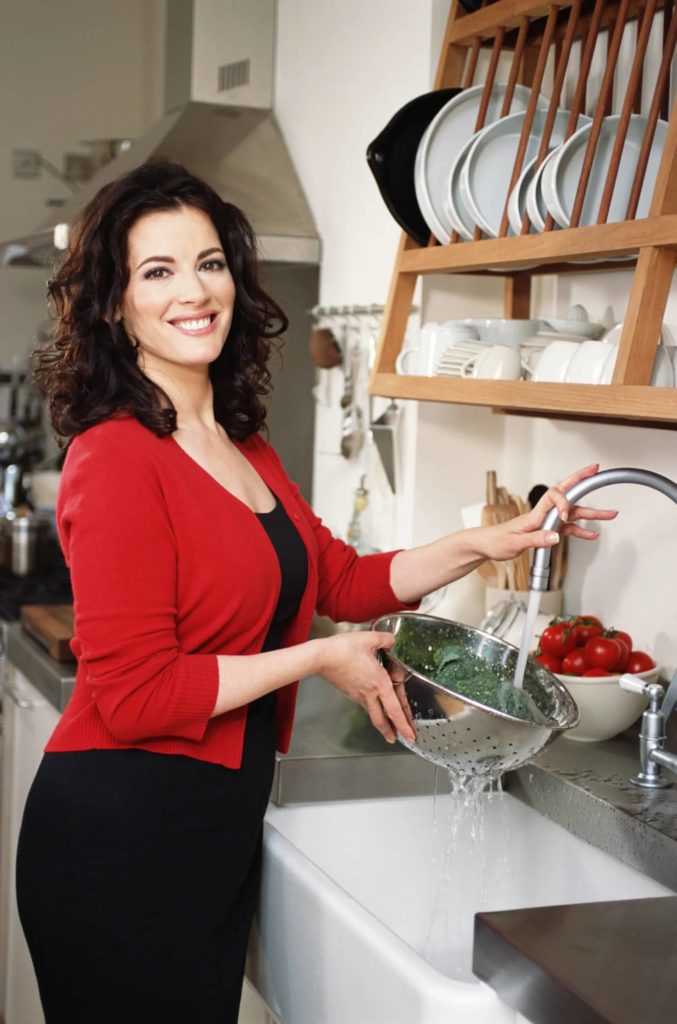
Nigella Lawson (born 6 January 1960) completely redefined food writing and television with her debut book How to Eat (1998) and subsequent hit television series like Nigella Bites. Lacking formal professional chef training, Lawson proudly champions the perspective of the home cook, celebrating the emotional, comforting, and deeply comforting act of feeding oneself and loved ones without guilt.
Her signature dishes range from a slow-roasted Italian Involtini to her famous, deeply comforting Chocolate Guinness Cake. Lawson’s food philosophy draws beautifully from the domestic cultures of Italy and Britain, where cooking is viewed not as a technical performance, but as an act of nurturing.
While Lawson is unapologetic about her love for rich desserts and comfort food, her creations are fundamentally honest. They are built entirely from scratch using real butter, whole eggs, unrefined sugars, and full-fat dairy, rather than the chemical fat-replacements, artificial sweeteners, and highly processed hydrogenated oils found in commercial “diet” foods. Medical consensus increasingly confirms that consuming whole, real foods in moderation is far superior for metabolic regulation and psychological well-being than consuming synthetic low-fat or low-calorie alternatives.
Delia Smith: The Nation’s Ultimate Culinary Instructor
The Methodical Educator of the British Home

Delia Smith (born 30 January 1941) is the most trusted, systematic culinary educator in British television history. Through her seminal books and multi-part television series, including Delia’s How to Cook (1998–2002), Smith sold millions of copies by focusing entirely on fundamental kitchen mechanics—famously dedicating whole episodes to teaching the public exactly how to boil an egg, bake a loaf of bread, or roast a chicken to absolute perfection.
Her signature dish is the quintessential British Sunday Roast Chicken, served with crisp, golden roast potatoes and seasonal root vegetables. This represents the ultimate traditional British home-cooked family meal, a cultural touchstone designed to stretch resources across a full week.
Nutritionally, Smith’s emphasis on mastering basic home techniques is the most effective weapon available against modern lifestyle diseases. When individuals know how to roast a whole chicken, they gain access to clean, unadulterated protein, and they can boil down the carcass to create a nutrient-dense bone broth packed with amino acids like glycine and proline. This foundational skill set shifts reliance away from sodium-laden, hyper-palatable industrial foods, restoring control over baseline metabolic health.
Heston Blumenthal: The Multi-Sensory Culinary Alchemist
The Avant-Garde Scientist of Cognitive Gastronomy

Heston Blumenthal (born 27 May 1966) is a entirely self-taught culinary pioneer who turned the world of fine dining completely on its head. His flagship Berkshire restaurant, The Fat Duck, achieved three Michelin stars in 2004 and was crowned the Best Restaurant in the World in 2005. Through groundbreaking television series like In Search of Perfection (2006–2007) and Heston’s Feast, Blumenthal introduced the world to multi-sensory cooking and molecular gastronomy.
Blumenthal’s iconic signature dishes include his bizarrely delicious Egg and Bacon Ice Cream, Snail Porridge, and his mathematically perfected Triple-Cooked Chips. His work explores the deep psychological connection between memory, sound, sight, and taste.
Despite his highly futuristic use of liquid nitrogen, water baths, and centrifuges, Blumenthal’s core scientific focus actually revolves around maximising the natural physical and chemical properties of whole foods. His meticulous research into the exact temperatures at which proteins coagulate or starches gelatinise allows him to create textures without relying on synthetic texturisers or industrial fillers. His work proves that understanding the fundamental molecular structure of real ingredients can elevate simple foods into extraordinary experiences.
Antony Worrall Thompson: The Rustic Bistro Trailblazer
The Champion of Whole Food Sourcing and Mediterranean Realism
Antony Worrall Thompson (born 9 November 1951) was a highly prominent, energetic fixture of British television during the 1990s and 2000s, famously hosting BBC’s Food and Drink and ITV’s Daily Cooks Challenge. His highly successful restaurants, including Ménage à Trois in Knightsbridge and The Greyhound pub, focused on bold, unpretentious, and deeply satisfying rustic flavours.
Worrall Thompson’s signature dishes leaned heavily toward robust, sun-drenched European classics, such as a rich Char-grilled Ribeye Steak with a vibrant Chimichurri or rustic roasted Mediterranean vegetables. His culinary style heavily mirrors the traditional agrarian lifestyle of Southern Europe, where seasonal vegetables, wild herbs, and clean meats form the daily diet.
Following a personal diagnosis of pre-diabetes later in life, Worrall Thompson shifted his focus heavily toward low-glycemic, blood-sugar-conscious cooking. His recipes emphasise high-fibre legumes, cruciferous vegetables, and lean proteins while minimising refined carbohydrates. This dietary framework is clinically proven to improve insulin sensitivity, stabilise blood glucose levels, and reduce the toxic systemic vascular damage caused by chronic sugar spikes.
Hugh Fearnley-Whittingstall: The Radical Eco-Warrior of the Land
The Pioneer of Hyper-Local, Zero-Waste Smallholding
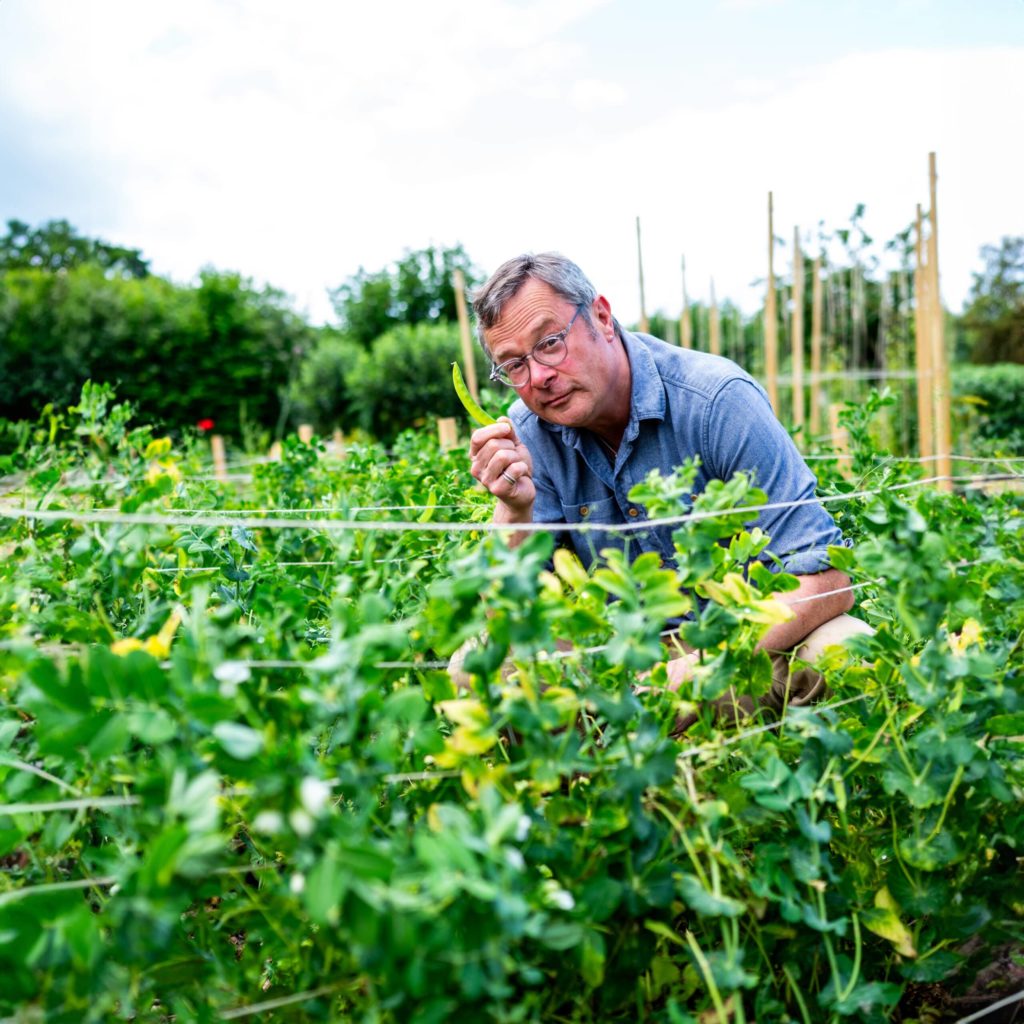
Hugh Fearnley-Whittingstall (born 14 January 1965) took a radical step away from mainstream urban kitchens to establish River Cottage in Dorset. Through his iconic television series starting in 1999, Fearnley-Whittingstall became the nation’s leading advocate for ethical smallholding, organic farming, wild foraging, and nose-to-tail seasonal eating.
His signature dish is a rustic Foraged Wild Mushroom and Venison Stew, cooked slowly with local root vegetables. This represents a complete return to ancestral survival and hunter-gatherer food culture, where nothing is wasted and everything is sourced entirely from the immediate environment.
The holistic and medical benefits of the River Cottage philosophy are profound. Foraged wild foods and organic, pasture-raised meats have vastly superior nutritional profiles compared to their factory-farmed counterparts. Wild venison, for example, is exceptionally lean and contains significantly higher levels of anti-inflammatory Omega-3 fatty acids and iron than grain-fed, industrially raised beef. By completely eliminating the industrial supply chain, Fearnley-Whittingstall’s approach delivers food in its most nutrient-dense, chemically clean state, offering an absolute blueprint for ecological and physical health.
The Ultimate Secret to a Long and Healthy Life
When we strip away the flashy TV sets, the intense reality competition shows, and the frantic glitz of Michelin stars, a powerful, singular truth emerges from all twelve of these master cooks: the most revolutionary thing you can do for your health, your family, and your culture is to cook real food from scratch at home. Every single master chef featured in this article, regardless of whether they are a classical multi-starred genius like Gordon Ramsay or a down-to-earth home instructor like Delia Smith, builds their culinary art on a foundational respect for whole ingredients. The modern rise of ultra-processed foods—engineered products packed with industrial emulsifiers, refined seed oils, and chemical preservatives—has directly correlated with a global epidemic of chronic metabolic diseases, gut dysbiosis, and cardiovascular disorders.
By looking back at the food arcs of our ancestors—embracing the slow-cooked stews of Keith Floyd, the clean, vitamin-preserving steaming methods of Anton Mosimann, or the hyper-local, foraged nutrient density of Hugh Fearnley-Whittingstall—we can reclaim our physical well-being. Cooking at home allows you to take absolute control over what enters your body. It allows you to reduce dangerous systemic inflammation, cultivate a thriving and diverse gut microbiome, and protect your cardiovascular system, all while participating in a beautiful, centuries-old human cultural tradition. Step away from the convenience aisles, pick up a knife, fire up your stove, and begin your own culinary journey toward real, radiant health.
Verified Facts
- Keith Floyd: Born on 28 December 1943, died on 14 September 2009. His foundational television series Floyd on Fish debuted on the BBC in 1985.
- Anton Mosimann: Born on 23 February 1947. He was appointed Maitre Chef de Cuisines at London’s Dorchester Hotel in 1975 at the age of 28, where he earned two Michelin stars. He published his seminal book Cuisine Naturelle in 1985.
- Rick Stein: Born on 4 January 1947. He opened The Seafood Restaurant in Padstow, Cornwall, in 1975 alongside his business partner Jill Stein. His series Rick Stein’s Australia aired in January 2026.
- Gordon Ramsay: Born on 8 November 1966. His flagship Chelsea location, Restaurant Gordon Ramsay, has held the ultimate distinction of three Michelin stars continuously since 2001.
- Jamie Oliver: Born on 27 May 1975. His landmark television debut The Naked Chef aired on the BBC in 1999. His public health campaign Jamie’s School Dinners launched in 2005.
- Heston Blumenthal: Born on 27 May 1966. His world-famous restaurant, The Fat Duck, located in Bray, Berkshire, achieved its third Michelin star in 2004 and was voted the Best Restaurant in the World in 2005.


Be the first to comment