


Food is the ultimate universal language, yet it speaks with a thousand different accents. Every time we lift a fork, a pair of chopsticks, or use a piece of flatbread as a vessel, we aren’t just consuming calories; we are partaking in a historical narrative that spans millennia. From the high-altitude grains of the Andes to the fermented preserves of the Korean peninsula, the evolution of cuisine is a testament to human ingenuity and our profound relationship with the land. Historically, what we now consider ‘gourmet’ often began as ‘survival food’—the clever manipulation of humble ingredients by peasants and nomadic tribes to sustain life under harsh conditions. This ‘food arc’ typically moves from necessity to tradition, and finally to global celebration.
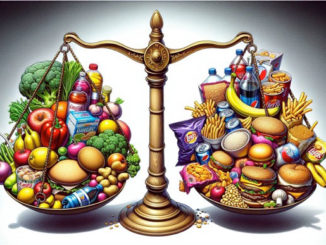
In our modern era of ultra-processed convenience, returning to these ancestral roots offers more than just a culinary thrill; it provides a roadmap for holistic health. Traditional diets are inherently functional, relying on seasonal produce, natural fermentation, and healthy fats. By exploring these global sensations, we rediscover the ‘medicine’ in our meals—the antioxidants in spices, the probiotics in fermented jars, and the complex carbohydrates that fuel our bodies without the crash of refined sugars.
The culture surrounding these cuisines is equally vital. In many of the regions we will explore, food is never a solitary act. It is a communal rite. When we cook from scratch using techniques passed down through generations, we reclaim control over our biology and our heritage. This is a celebration of the peasant kitchen—the birthplace of the world’s most sophisticated and life-giving flavours.
Themes: The Ancestral Blueprint
Before we dive into the specific nations, we must recognise the shared threads of Vitality, Fermentation, and Resourcefulness. Most traditional cuisines were born from the need to preserve harvest or make tough ingredients palatable. This often led to the discovery of ‘Superfoods’ long before they were a marketing term. We will see how high-fibre tubers, probiotic-rich ferments, and anti-inflammatory spices form the backbone of human health.
Asia
1. Thailand: The Balance of Five Flavours – Thai Green Curry fresh galangal lemongrass Thai basil bowl

The Senses of the Jungle Thai cuisine is a masterclass in the ‘Food Arc’ from jungle foraging to royal court refinement. It revolves around the five pillars: salty, sweet, sour, spicy, and bitter.
- National Dish: Pad Thai
- National Drink: Thai Iced Tea (Cha Yen)
- National Dessert: Mango Sticky Rice
- National Snack: Miang Kham (Leaf wraps)
- Global Export: Jasmine Rice
- Fun Fact: Thai food was traditionally eaten with hands until the 19th-century influence of King Rama IV.
2. Japan: The Art of Longevity – Traditional Kaiseki Spread Sashimi Miso Soup Pickled Vegetables

Harmony and Precision Rooted in Washoku (harmony), Japanese food focuses on seasonality and “hara hachi bu” (eating until 80% full).
- National Dish: Sushi
- National Drink: Matcha Tea
- National Dessert: Mochi
- National Snack: Onigiri
- Global Export: Wagyu Beef
- Fun Fact: Japan has over 90,000 centenarians as of 2023, largely attributed to their iodine and omega-3 rich diet.
3. Korea: The Fermented Frontier Korean Banchan side dishes Bibimbap stone bowl

Survival through Spice Born from survival through harsh winters, Korean food is defined by fermentation (Jang and Kimchi), providing vast probiotic benefits for gut health.
- National Dish: Bibimbap / Kimchi
- National Drink: Soju
- National Dessert: Bingsu
- National Snack: Tteokbokki
- Global Export: Kimchi
- Fun Fact: There are over 200 documented varieties of Kimchi.
4. India: The Spice Pharmacy traditional Indian Thali dal curry roti platter

Vedic Vitality Indian cuisine treats food as medicine, using spices like turmeric (anti-inflammatory) and ginger (digestive aid) for millennia.
- National Dish: Khichdi / Biryani
- National Drink: Masala Chai
- National Dessert: Gulab Jamun
- National Snack: Samosa
- Global Export: Spices (Black Pepper/Turmeric)
- Fun Fact: India produces approximately 70% of the world’s spices.
5. Chinese: The Great Wok of History Chinese Dim Sum bamboo basket Peking Duck plate

Balance of Yin and Yang With eight regional culinary traditions, Chinese food balances cooling and warming foods to maintain metabolic equilibrium.
- National Dish: Peking Duck
- National Drink: Tea (Longjing/Oolong)
- National Dessert: Mooncakes
- National Snack: Jiaozi (Dumplings)
- Global Export: Tea
- Fun Fact: Soy sauce was invented over 2,200 years ago during the Han Dynasty.
6. Vietnamese: The Fresh Herb Revolution Vietnamese Pho bowl fresh mint cilantro bean sprouts

River Freshness Vietnam’s food is prized for its low oil content and reliance on fresh herbs and water-based soups, making it exceptionally light yet nutrient-dense.
- National Dish: Pho
- National Drink: Ca Phe Sua Da (Iced coffee)
- National Dessert: Che (Sweet soup)
- National Snack: Banh Mi
- Global Export: Black Pepper / Cashews
- Fun Fact: Vietnam is the world’s leading exporter of black pepper.
7. Indonesian: The Archipelago of Spice Indonesian Nasi Goreng fried egg prawn crackers plate

Equatorial Umami A fusion of indigenous, Indian, Chinese, and Dutch influences, famed for rich peanut sauces and Sambal.
- National Dish: Nasi Goreng / Rendang
- National Drink: Es Teh (Iced tea)
- National Dessert: Dadar Gulung (Pandan crepes)
- National Snack: Satay
- Global Export: Palm Oil / Cloves
- Fun Fact: Rendang was voted the world’s most delicious food in several global polls for its depth of spice.
9. Singaporean: The Hawker Heart Singaporean Hainanese Chicken Rice hawker stall bowl

The Modern Melting Pot A multicultural crossroads where Malay, Chinese, and Indian flavours collide in communal Hawker Centres.
- National Dish: Hainanese Chicken Rice
- National Drink: Teh Tarik (Pulled tea)
- National Dessert: Ice Kachang
- National Snack: Curry Puff
- Global Export: Laksa Paste
- Fun Fact: Singapore’s Hawker Culture is recognised by UNESCO as Intangible Cultural Heritage.
Africa
10. Nigerian: The Soul of Nigerian Jollof Rice fried plantain bowl

Tuber Power Nigeria’s cuisine is built on high-fibre tubers like yam and cassava, providing slow-release energy for the body.
- National Dish: Jollof Rice / Pounded Yam
- National Drink: Zobo (Hibiscus)
- National Dessert: Shuku Shuku
- National Snack: Puff Puff
- Global Export: Cassava
- Fun Fact: Nigeria is the world’s largest producer of Cassava (60m+ tonnes/year).
11. Ghanaian: The Fufu Tradition Ghanaian Fufu and Light Soup bowl

Communal Fermentation Ghanaian food emphasises communal eating and the use of fermented corn (Kenkey) for digestive health.
- National Dish: Fufu and Light Soup
- National Drink: Asaana (Corn drink)
- National Dessert: Kelewele (Spiced plantain)
- National Snack: Bofrot
- Global Export: Cocoa Beans
- Fun Fact: Ghana is the second-largest cocoa producer in the world.
12. South African: The Rainbow Cuisine South African Braai Boerewors Bobotie platter
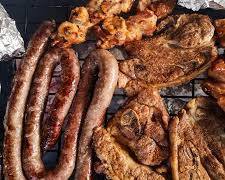
The Fires of Heritage A blend of indigenous Khoisan, Xhosa, Zulu, and Cape Malay (Dutch/Indonesian) influences.
- National Dish: Bobotie
- National Drink: Rooibos Tea
- National Dessert: Koeksisters
- National Snack: Biltong
- Global Export: Rooibos / Wine
- Fun Fact: Rooibos (Red Bush) tea is caffeine-free and only grows in the Cederberg region.
13. Moroccan (Berber): The Tagine Art Moroccan lamb apricot tagine clay pot steam

Arid Resourcefulness Berber cuisine uses conical clay tagines to slow-cook meat and fruits, conserving water and intensifying nutrients.
- National Dish: Couscous / Tagine
- National Drink: Mint Tea
- National Dessert: Chebakia
- National Snack: Maakouda
- Global Export: Argan Oil
- Fun Fact: Argan oil is endemic to Morocco and processed by hand by Berber women.
14. Libya: The Mediterranean Caravan Libyan Bazeen barley dough meat sauce plate

Heart of the Desert A mix of Arab and Mediterranean flavours, with a heavy emphasis on hearty barley and fibre-rich dates.
- National Dish: Bazeen
- National Drink: Arabic Coffee
- National Dessert: Magrood
- National Snack: Sambusa
- Global Export: Dates
- Fun Fact: Libya has one of the world’s highest per capita consumptions of dates.
15. Kenyan: The Spirit of Nyama Choma Kenyan Nyama Choma Ugali Sukuma Wiki board

Highland Sustenance Kenyan food is built on simple staples like maize meal (Ugali) and kale (Sukuma Wiki), the fuel of world-class runners.
- National Dish: Ugali with Sukuma Wiki
- National Drink: Chai
- National Dessert: Mabuyu
- National Snack: Mandazi
- Global Export: Black Tea
- Fun Fact: Kenya is the world’s largest exporter of black tea.
16. Congolese: The Forest Harvest Congolese Moambe Chicken palm nut cream cassava leaves dish

Verdant Vitality Utilising forest resources, Congolese food is exceptionally rich in leafy greens and iron-dense cassava leaves.
- National Dish: Moambe Chicken
- National Drink: Tangawisi (Ginger juice)
- National Dessert: Mikate
- National Snack: Fried Plantain
- Global Export: Palm Oil
- Fun Fact: Cassava leaves (Saka Saka) are a primary source of protein in the DRC.
Western European
17. French: The Mother Sauces French Beef Bourguignon crusty Baguette bowl

Technique of the Soil The standard-bearer for culinary technique, rooted in peasant stews like Pot-au-Feu that utilised every scrap.
- National Dish: Pot-au-Feu
- National Drink: Red Wine
- National Dessert: Crème Brûlée
- National Snack: Croissant
- Global Export: Wine / Cheese
- Fun Fact: There are over 1,600 distinct types of French cheese.
18. Italian: The Peasant’s Gold Italian Pasta Carbonara rustic bowl pizza margherita

La Cucina Povera Italian food turned simple wheat and tomatoes into a global phenomenon, relying on anti-inflammatory Olive Oil.
- National Dish: Pasta / Pizza
- National Drink: Espresso
- National Dessert: Tiramisu
- National Snack: Arancini
- Global Export: Olive Oil / Pasta
- Fun Fact: Italy produces nearly 20% of the world’s olive oil.
19. Spanish: The Tapas Social Seafood Paella pan Spanish table bowl

Mediterranean Sun Spanish food celebrates high-quality ingredients—garlic, sea salt, and the world’s best olive oil.
- National Dish: Paella / Tortilla
- National Drink: Sherry / Sangria
- National Dessert: Churros
- National Snack: Tapas
- Global Export: Olive Oil (World’s #1)
- Fun Fact: Spain has the highest number of bars per inhabitant in the EU.
20. Portuguese: The Atlantic Explorer Portuguese Bacalhau salt cod Pastel de Nata plate

Salty Horizons Portuguese sailors introduced chilli and tomatoes to the world, while perfecting salt-preservation (Bacalhau).
- National Dish: Bacalhau (Salt Cod)
- National Drink: Port Wine
- National Dessert: Pastel de Nata
- National Snack: Bifana
- Global Export: Cork / Wine
- Fun Fact: There are said to be 365 ways to cook Bacalhau—one for every day of the year.
21. British: The Sunday Roast Tradition British Sunday Roast Beef Yorkshire Pudding platter

Island Sustenance Once a symbol of industrial-era sustenance, British food focuses on high-quality meat and seasonal root vegetables.
- National Dish: Roast Beef / Fish and Chips
- National Drink: Breakfast Tea
- National Dessert: Apple Crumble
- National Snack: Scotch Egg
- Global Export: Scotch Whisky
- Fun Fact: Chicken Tikka Masala is a British national dish, reflecting its colonial history.
22. Swiss: The Alpine Fuel Swiss Cheese Fondue pot rustic bread cubes bowl
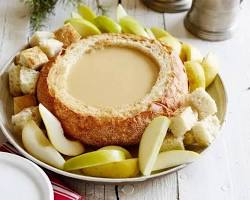
Mountain Longevity Alpine survival food centred on high-energy grains and dairy preservation (Fondue).
- National Dish: Fondue / Rösti
- National Drink: Rivella
- National Dessert: Swiss Chocolate
- National Snack: Birchermüesli
- Global Export: Chocolate / Cheese
- Fun Fact: The average Swiss person consumes about 11kg of chocolate per year.
23. German: The Bread Kingdom German Bratwurst Sauerkraut Pretzel platter

Fermented Roots Germany is famous for its diverse sourdoughs and probiotic Sauerkraut, which provided vital Vitamin C in winter.
- National Dish: Sauerbraten
- National Drink: Lager Beer
- National Dessert: Black Forest Gateau
- National Snack: Pretzel
- Global Export: Beer / Machinery
- Fun Fact: Germany has over 3,000 distinct types of bread.
24. Danish: The Hygge Hearth Danish Smørrebrød openfaced sandwich rye bread plate
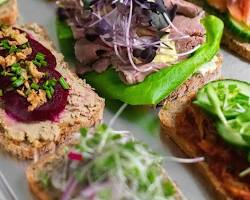
Nordic Simplicity Danish food is defined by the open-faced sandwich (Smørrebrød) and the world-leading “New Nordic” foraged ethics.
- National Dish: Stegt Flæsk
- National Drink: Akvavit
- National Dessert: Risalamande
- National Snack: Danish Pastry
- Global Export: Pork / Dairy
- Fun Fact: Denmark is one of the world’s largest exporters of pork.
Eastern European
25. Russia: The Winter Larder Russian red Borscht bowl Smetana dollop bowl

Buckwheat and Beetroot Built on pickling and hardy grains like buckwheat to survive sub-zero winters.
- National Dish: Pelmeni / Borscht
- National Drink: Kvass / Tea
- National Dessert: Blini
- National Snack: Pirozhki
- Global Export: Wheat
- Fun Fact: Russia is the world’s top exporter of wheat.
26. Bulgarian: The Yogurt Homeland Bulgarian cold Tarator soup cucumber dill bowl

Ancient Cultures Bulgarian food is famous for its white brine cheese (Sirene) and being the biological home of yogurt.
- National Dish: Banitsa
- National Drink: Rakia / Ayran
- National Dessert: Baklava
- National Snack: Lyutenitsa
- Global Export: Yogurt cultures / Rose Oil
- Fun Fact: Lactobacillus bulgaricus was first identified here.
27. Lithuanian: The Potato Soul Lithuanian Cepelinai potato dumplings plate bowl
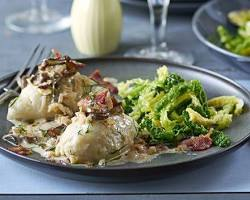
Forest Foraging A forest-based cuisine utilising wild mushrooms, berries, and the versatile, energy-dense potato.
- National Dish: Cepelinai (Zeppelins)
- National Drink: Gira (Kvass)
- National Dessert: Šakotis
- National Snack: Kepta Duona
- Global Export: Grains
- Fun Fact: Šakotis (tree cake) can reach up to 1 metre in height.
28. Latvian: The Rye Heritage Latvian dark Rye bread honey bowl bowl

Dark Bread Rituals Latvian food is deeply connected to the land, with dark rye bread forming the nutritional and spiritual heart.
- National Dish: Grey Peas with Bacon
- National Drink: Black Balsam
- National Dessert: Rupjmaizes kārtojums
- National Snack: Pīrāgi
- Global Export: Peat / Timber
- Fun Fact: Latvians hold a “Festival of Bread” to celebrate their ancient rye traditions.
29. Romanian: The Shepherd’s Table Romanian Sarmale cabbage rolls Mamaliga polenta plate bowl

Rustic Resilience A rustic cuisine centred on cornmeal porridge (Mămăligă) and fermented cabbage rolls (Sarmale).
- National Dish: Sarmale with Mămăligă
- National Drink: Țuică (Plum brandy)
- National Dessert: Papanași
- National Snack: Covrigi
- Global Export: Corn / Sunflowers
- Fun Fact: Mămăligă was once the “bread of the poor” but is now a gourmet staple.
Global
30. American: The Melting Pot American Hamburger handcut fries plate bowl

Fusion Frontier A fusion of every global cuisine, though indigenous corn and beans remain the foundational crops.
- National Dish: Hamburger / Apple Pie
- National Drink: Bourbon
- National Dessert: Chocolate Chip Cookies
- National Snack: Popcorn
- Global Export: Corn / Soybeans
- Fun Fact: The chocolate chip cookie was invented in 1938 at the Toll House Inn.
31. Austalian: The Modern Frontier Australian grilled Kangaroo steak finger lime garnish plate bowl

Ancient Bush Tucker A blend of 65,000 years of indigenous superfoods and modern, lean-protein focused fusion.
- National Dish: Roast Lamb
- National Drink: Flat White (Coffee)
- National Dessert: Pavlova
- National Snack: Vegemite
- Global Export: Beef / Macadamia Nuts
- Fun Fact: Kangaroo meat is one of the leanest proteins available, with less than 2% fat.
Returning to the Source
The journey through these 31 nations reveals a striking pattern: the further we move from the soil, the poorer our health becomes. Traditional cuisines were never ‘designed’ in a lab; they were grown in the garden and perfected in the family kitchen. By rejecting ultra-processed products and embracing the scratch-cooking techniques of our ancestors, we don’t just rediscover flavour—we reclaim our health. The global table is set, and it is rich with the medicine our bodies have been craving for generations.
[Facts]
- Longevity: Japan has over 90,000 centenarians as of 2023.
- Agriculture: Nigeria is the world’s largest producer of Cassava (60m+ tonnes).
- Spices: India accounts for roughly 70% of global spice production.
- Nutrition: Kangaroo meat is approximately 98% fat-free.
- Exports: Kenya is the world’s largest exporter of black tea.


Be the first to comment