

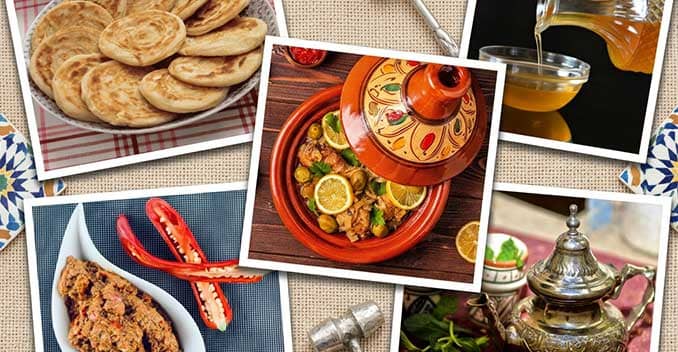
From Argan Groves to the Berber Hearth—The Science and Soul of the Maghreb
Moroccan cuisine is not merely a collection of recipes; it is a sprawling, multi-layered history book written in saffron, cumin, and the aromatic steam of the clay tajine. For the modern palate, Morocco represents one of the few places on Earth where the concept of “superfood” isn’t a marketing buzzword, but a lived reality that dates back over a millennium. As we navigate 2026, a year defined by a global return to “ancestral eating” and holistic health, the culinary traditions of the Maghreb have moved from the periphery of the “exotic” to the centre of the global wellness stage. This is a cuisine built on the resilience of the Berber (Amazigh) people, the botanical unique of the Argania spinosa tree, and a mastery of spice that does more than flavour—it heals.
The core of the Moroccan diet is a sophisticated exercise in nutrient density and anti-inflammatory alchemy. Unlike the refined, sugar-heavy diets of the West, traditional Moroccan meals are inherently balanced, relying on the leaner proteins of lamb and fish, the high-fibre punch of barley and couscous, and an arsenal of endemic herbs. The “Themes” of this culinary world are clear: longevity through the Berber lifestyle, the therapeutic power of endemic oils, and the communal ritual of the tea ceremony. Whether you are walking through the blue alleys of Chefchaouen or the bustling markets of Agadir, the message is the same—food is medicine, and the kitchen is the laboratory.
Berber Lifestyle
- Ancestral Wellness: How the Berber diet, rich in whole grains and healthy fats, mirrors modern nutritional advice for heart health and longevity.
- Botanical Sovereignty: The unique status of Argan oil and Prickly Pear as endemic Moroccan superfoods with scientifically proven health benefits.
- The Ritual of Digestion: The role of cumin, harissa, and mint tea as functional foods that facilitate metabolic health.
Berber Culture and Interesting Facts
- Endemic Status: The Argan tree is virtually unique to southwestern Morocco and was added to the UNESCO Protected Biosphere list in 1998.
- Global Standing: Morocco is the world’s largest exporter of sardines, a primary source of low-mercury Omega-3 fatty acids and Vitamin D.
- Antioxidant Power: Harissa, the iconic chilli paste, is rich in capsaicin, which studies suggest can boost metabolism and reduce inflammation.
- Tea Tradition: Moroccan Mint Tea, known colloquially as “Moroccan Whiskey,” became the national beverage following the Crimean War (1853–1856) when green tea was introduced via the port of Essaouira.
The Berber Blueprint: Superfoods of the High Atlas
Argan, Harissa, and the Liquid Gold of the Maghreb
The Berber lifestyle is a study in functional nutrition. At its heart lies Argan oil, often called “Liquid Gold.” Unlike the beauty-shelf variants, culinary Argan oil is toasted, yielding a nutty profile that is packed with tocopherols (Vitamin E) and heart-healthy unsaturated fatty acids. Scientific reviews as recent as February 2025 have confirmed its ability to reduce bad cholesterol and improve the integrity of the intestinal mucosa. This endemic oil isn’t mass-produced; it is a labour of love, traditionally extracted by hand by Berber women’s cooperatives, making it one of the most sustainable and nutrient-rich fats in the global pantry.
Complementing this is Harissa, the fiery backbone of Moroccan seasoning. Beyond its heat, Harissa is a nutritional powerhouse. Made from sun-dried chillies, garlic, caraway, and olive oil, it delivers a potent dose of antioxidants. The capsaicin within the chillies acts as a natural thermogenic, while the caraway serves a dual purpose as an ancient remedy for bloating and digestive distress. When you combine these with Cumin—a staple that Moroccans use as liberally as salt—you create a digestive environment that supports the breakdown of complex carbohydrates found in barley soup (hssoua) and traditional flatbreads.
More Food Facts
- Cumin Benefits: Rich in iron, cumin is used in Morocco to aid weight management and reduce bloating; it is a core ingredient in almost every tajine.
- Argan Composition: Argan oil contains 80% unsaturated fatty acids and is exceptionally high in Vitamin E, surpassing even olive oil in certain antioxidant metrics.
- Barley Health: Traditional Moroccan barley soup is high in beta-glucan, a type of fibre that helps lower cholesterol and stabilise blood sugar.
The Art of the Slow-Cook and the Third Pour
Tajines, Tea, and the Philosophy of ‘Ma’
The Moroccan Tajine is perhaps the most perfect culinary contrivance for the health-conscious. The conical clay pot acts as a natural pressure cooker, allowing meat and vegetables to slow-cook in their own juices. This method preserves the delicate micronutrients of the ingredients while requiring minimal added fats. Whether it’s a lamb tajine with Medjool dates (high in potassium and fibre) or a fish tajine with preserved lemons, the results are a “super-stew” that is as easy on the digestive system as it is on the palate.
Finally, no discussion of Moroccan health is complete without Mint Tea. This is the nation’s social glue and its primary digestive aid. Traditionally served very sweet, the “third pour” (the gentlest) is often drunk without sugar in health-conscious circles, providing a concentrated dose of catechins and menthol. It is said to be “as bitter as life, as strong as love, and as gentle as death.” In April 2026, as we seek to reclaim our health from the clutches of processed convenience, the Moroccan table stands as a reminder that the best “new” ideas in nutrition are actually thousands of years old.
Benefits of Tajine, Mint Tea & Changing Tastes
- Moisture Preservation: The science behind the tajine’s conical shape and its ability to cook food without losing nutrients.
- Hospitality and Healing: The dual role of mint tea as a cultural ritual and a medicinal tonic for circulation and digestion.
- The Future of the Past: How Moroccan specialties like Prickly Pear and Medjool dates are becoming global staples for the informed consumer.
Fun Food Facts
- Tea Preparation: Traditional Moroccan tea is poured from a height to oxygenate the liquid, which is believed to facilitate better digestion of the menthol and tannins.
- Date Energy: Medjool dates, a Moroccan staple, provide instant energy and are rich in polyphenols, antioxidants that protect the body from inflammation.
- Sardine Source: Morocco remains the world’s primary source for sardines, which are one of the best natural sources of Vitamin D—a critical nutrient for immune health in 2026.
Facts
- UNESCO Protection: The Argan tree has been protected since 1998.
- National Beverage: Mint tea became a staple in the mid-19th century following the Crimean War.
- Global Export: Morocco is the largest exporter of sardines in the world.
- Historical Origins: The Berber (Amazigh) culinary traditions are over 2,000 years old, predating the Arab influence in the region.
Links
- UNESCO: Argan Biosphere Reserve Details
- PubMed: Nutritional and Therapeutic Benefits of Argan Oil
- The British Dietetic Association: Health Benefits of Mediterranean and North African Diets
- Visit Morocco: Traditional Moroccan Cuisine Guide
Short Video on Traditional Moroccan Mint Tea
Update


Be the first to comment