
Why Your Next Therapist Might Have Whiskers and a Sudden Interest in Your Ham Sandwich
In the modern age of algorithmic precision and hyper-curated lifestyles, there remains one phenomenon that defies logic, logistics, and often, personal boundaries: The Universal Cat Distribution System (UCDS). While the term may sound like a Silicon Valley startup, it refers to the spontaneous, unsolicited, and often life-changing arrival of a feline in a human’s life. It is a lottery where the cat is both the ticket and the prize. From the archive of crazy ginger cats, to the “Oh Long Johnson” era of early YouTube to today’s TikTok chronicles of kittens appearing in engine blocks or laundry baskets, our obsession with these creatures isn’t just a digital distraction—it’s a biological imperative.
The “Problem,” if we must call it that, is one of chaotic abundance and a growing mental health crisis. As of 6 April 2026, global estimates suggest a cat population between 600 million and 1 billion. In the UK alone, the PDSA Animal Wellbeing Mini Report 2025 estimates a population of 10.5 million pet cats, with approximately 24% of UK adults sharing their homes with at least one. Yet, despite these staggering numbers, the “distribution” feels remarkably personal, and is well, almost a meme in itself. The “Problem” is that we’re increasingly becoming a overworked, overstimulated, lonely, stressed-out species living in a “supercomputer” age, and we are increasingly turning to a 9,500-year-old predatory relationship to find our equilibrium.
Cat Facts
- Global Population: Estimated at 600 million to 1 billion cats (World Animal Foundation, 2026).
- UK Ownership: 10.5 million pet cats in the UK; 24% of UK adults own a cat (PDSA, 2025).
- Term Origin: The phrase “Cat Distribution System” gained viral status on TikTok around November 2022.
- Meme History: The “Oh Long Johnson” talking cat video, a cornerstone of feline internet culture, dates back to a 1998 broadcast, early 2000s and also featured on the comedy show South Park boosting its viral fame.
The Cat Distribution System is more than a meme; it is a testament to the fact that humans are fundamentally wired to nurture. In an economy where pet ownership is becoming increasingly expensive—with the lifetime cost of a cat in the UK estimated at roughly £7,179 (World Animal Foundation, 2026)—the fact that people still “accept” these random feline assignments (not to mention litter boxes) suggests that the mental health “ROI” far outweighs the financial drain.
The Purr-scription: Mental Health and the Domestic Hunter
More Than Memes—The Physiological Reality of Feline Companionship
The relationship between humans and cats is often portrayed as one of “servitude” (with the human as the servant), but the medical reality is far more reciprocal. Research published in August 2025 indicates that interacting with cats significantly improves mood by activating the prefrontal cortex and inferior frontal gyrus. Even a brief 10-minute interaction can lower cortisol levels and blood pressure. Cat owners often present lower resting heart rates during stressful tasks, viewing challenges as “solvable” rather than “threatening.”
This is the “Balance” we must strike. While we laugh at the “infinite energy” of a 3:00 AM sprint or the “endearing” delivery of a dead mouse on the kitchen rug, these behaviours are the price of admission for a 24/7 emotional support system. Whether it is the rhythmic vibration of a purr or the quiet companionship of, butting into your shins while you serve food, making biscuits or “window sitting,” cats provide a routine that is particularly effective for those with social anxiety or depression. The “Cat Distribution System” isn’t just about finding a home for a stray; it’s about the universe providing a “purr-scription” for a world that has forgotten how to be still.
Cat Pros
- Biological Synchrony: The physiological benefits (cortisol reduction, lower blood pressure) of cat companionship.
- Routine as Therapy: The role of feline care in providing structure for individuals with mental health challenges.
More Cat Facts
- Medical Benefits: Spending 10 minutes with a cat is clinically shown to reduce heart rate and blood pressure (Healthline, 2025).
- Emotional Support: 92% of UK cat owners consider their pet a member of the family (PDSA, 2025).
- Psychological Closeness: A 2024 survey found that 82% of pet owners view their pets as “like their own child” (Healthline).
We must take the “One cat is one too many” approach—not in terms of limiting their presence, but in ensuring that the distribution system is matched with responsible care. While the UCDS is a charming concept, the 2025 Cats Protection Report highlights that affordability is a leading barrier, with 51% of UK owners worried about vet costs. The “Balance” requires us to be as loyal to them as they are, unintentionally, to our mental well-being.
The Winner of the Universal Lottery
When the Universe Chooses You
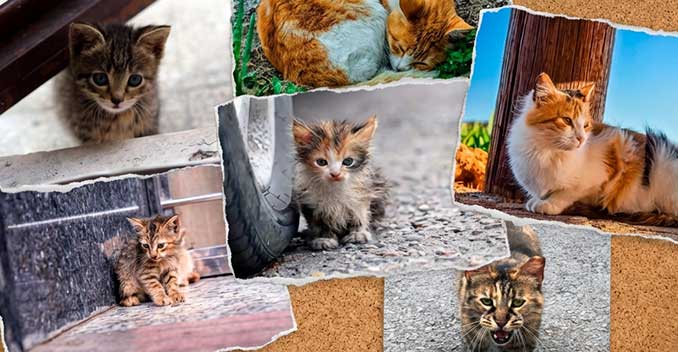
To be “chosen” by the Cat Distribution System is to win a lottery you didn’t know you were playing. It is the moment a stray follows you home or a kitten meows at you from a car park, and suddenly, your floor is covered in shredded cardboard and your phone storage is full of blurry photos of a sleeping ginger tabby. The internet didn’t create our love for cats; it merely gave us a global stage to document a relationship that has existed since the dawn of agriculture. From the early silent films like The Sick Kitten (1903) to the billion-view “CatJam” videos of today, cats remain the “perfect canvas” for human emotion.
In summary, the Cat Distribution System serves as a vital, if chaotic, link between our primitive past and our hyper-digital future. As we move further into 2026, the importance of these small, fussy, often vomit-prone creatures cannot be overstated. They are the guardians of our mental health, the stars of our digital theatre, and the only residents of our homes allowed to eat our houseplants without consequence. If a cat has chosen you, perhaps don’t fight the “Universal System.” Just buy the good tuna and accept the win.
Cats Reach Elsewhere in the Multiverse
- Digital Activism: The “Cute Cat Theory of Digital Activism” (2008) posits that people use the web for mundane, cute content, which actually protects the internet from censorship.
- Economic Cost: Average annual spend on a cat in the UK in 2025 was £1,124 (Moneynet, 2025).
- Ancient Ties: Humans and cats have co-existed for approximately 9,500 years.
Links
- PDSA: Animal Wellbeing (PAW) Mini Report 2025
- Healthline: The Scientific Benefits of Being a Cat Lover (August 2025 Update)
- Cats Protection: UK Cats and Their Stats Report 2025
- Wikipedia: History of Cats and the Internet



Be the first to comment