
A Nation in Stasis Braces for a Bellwether Battle in the Boroughs
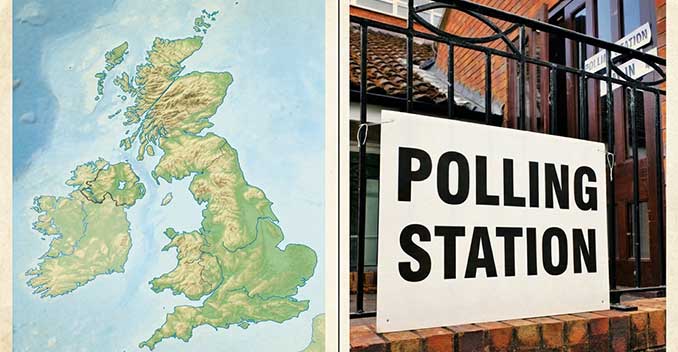
The United Kingdom is currently locked in a slow, protracted political war, one where the front lines move by inches and mediation feels like a relic of a more civilised age. As we approach 7th May 2026, the local elections have transitioned from mere administrative exercises into a high-stakes “bellwether” for the next General Election. The air is thick with a specific kind of British cynicism; voters are no longer just choosing bin collections and library hours—they are delivering a cold, calculated verdict on years of perceived institutional failure. Unlike national polls, local contests allow for a jagged, tactical betrayal of party lines. Here, a voter might loathe the national Conservative platform but back a local Tory councillor who saved a park, or conversely, punish a Labour candidate for the fiscal sins of a previous council administration.
The mood on the doorstep is far from triumphant. For Labour, the initial surge of the Starmer-Reeves era has met the hard reality of governance and a tightening of the polls. Sir Keir Starmer and Chancellor Rachel Reeves face a populace weary of the “same old” rhetoric, compounded by the shadow of the Doctors’ Strikes—which, despite ongoing talks, have seen 11 separate walkouts since 2023—and the controversial reappearance of figures like Peter Mandelson in the party’s orbit. Meanwhile, the Conservatives, now under a new leadership post-2024, are fighting a defensive rearguard action. After 16 years in power (since 2010), the party is attempting to pivot, using a surprisingly disciplined spring conference to show they can still hold Labour to account. Yet, they remain squeezed by a cost-of-living crisis where real wages have struggled to keep pace with cumulative inflation of over 20% since 2021.
The objective reality of the 7th May 2026 elections is that they serve as a pressure valve for a public fed up with welfare abuse and the perceived lack of border control. The UK has seen a documented shift toward the right in recent months, with Home Office data from late 2025 indicating that net migration and the associated costs of asylum (reaching £3.9 billion annually) have become the primary “doorstep” issue. When the economy is this tight, the public has zero tolerance for fraud—domestic or otherwise. This electoral war is “protracted” because no single party has yet offered a mediation that satisfies both the pocketbook and the national identity.
The Croydon Crucible: A Microcosm of Fiscal Failure
Brick by Brick, Loss by Loss—The Fight to Reclaim the South London Stronghold
If there is a ground zero for this political war, it is Croydon. The borough remains a haunting cautionary tale of what happens when local government plays “property developer” with taxpayers’ money. The previous Labour administration, led by Cllr Tony Newman and the controversial executive Jo Negroni, oversaw a collapse that saw the council issue multiple Section 114 notices (effectively declaring bankruptcy). The legacy of their “Brick by Brick” housing firm—which failed to deliver promised profits—and the “Waste at Fairfield Halls” scandal, where a refurbishment overran by £37.5 million, still stings. Perhaps most damaging was the loss of the Westfield project, which sat in a state of “block” for years, and the sale of the Colonnades retail park at a record loss.
Enter the Conservatives under Executive Mayor Jason Perry. Their mission has been a slow, painful attempt to right these “ills” and stabilise a debt that reached a staggering £1.6 billion. Locally, the Conservatives have fared better than expected, pitching themselves as the “adults in the room” cleaning up the mess. However, Labour is fighting to regain ground, though they face questions about past accountability and the “ghosts” of the Newman era. To the right, Reform UK is attempting to disrupt the binary. Yet, Reform continues to struggle with “own goals”—including three high-profile resignations of regional candidates in early 2026—leading many to view them as a “Conservative Lite” or a home for Tory rejects rather than a party capable of leading a “tea party,” let alone a government.
The battle for Croydon proves that voters distinguish between local competence and national ideology. While the Lib Dems and Greens remain largely seen as “protest votes” (with the Greens specifically struggling to move beyond single-issue environmentalism), the real war is between the fiscal ghosts of Labour’s past and the Conservatives’ ability to manage a “squeezed” economy. With Council Tax increases capped at 4.99% without a referendum, but Croydon having been granted special permission for higher hikes previously, the financials are the ballot box’s true master. The public is exhausted; they want value for money at a time when their own wages are being cannibalised by the cost of living.



Be the first to comment